
Rabat, the capital city of Morocco, is often overlooked by travelers who tend to focus on the more famous cities like Marrakech or Casablanca. However, Rabat is a gem in its own right, offering a perfect blend of modernity and history. As the capital and political center of Morocco, Rabat holds a significant place in the country’s heritage and serves as a fascinating destination for those seeking to explore Morocco’s rich culture and history. Rabat’s Historical Significance Rabat’s history dates back to the 12th century, making it one of Morocco’s oldest cities. It was originally established as a military settlement by the Almohad dynasty in 1150. Over time, Rabat grew into a thriving city, serving as the residence of Moroccan rulers and a key location for political activity. Today, Rabat is a vibrant city that blends the old with the new. While it remains the political heart of Morocco, its historical roots can be seen in the old medina, ancient structures, and well-preserved monuments. Rabat’s role as the administrative and diplomatic center is reflected in the presence of royal palaces, embassies, and government offices. Top Attractions in Rabat The Hassan Tower One of Rabat’s most iconic landmarks is the Hassan Tower, a partially completed minaret that stands as a testament to the city’s historical significance. Built in the 12th century, this towering structure is part of an ambitious mosque that was never finished. The Hassan Tower is a symbol of Rabat’s rich cultural heritage and offers stunning views of the city. The Royal Palace of Rabat The Royal Palace of Rabat is another must-visit landmark in the city. Serving as the official residence of the Moroccan king, the palace is an impressive example of Moroccan architecture, with grand gates, beautiful gardens, and intricate tilework. While visitors can’t enter the palace itself, the exterior and surrounding areas are still worth exploring. The Kasbah of the Udayas Located at the edge of the Atlantic Ocean, the Kasbah of the Udayas is a fortified historical complex that offers a glimpse into Rabat’s past. Built in the 12th century, the kasbah is home to winding streets, white-and-blue painted houses, and a peaceful garden. It also boasts a fantastic view of the sea and the Bou Regreg River. The Mohamed VI Museum of Modern Art For those interested in contemporary culture, the Mohamed VI Museum of Modern Art is a great stop. This museum features a vast collection of modern Moroccan art and offers insight into the country’s growing art scene. The museum’s clean lines and modern design contrast beautifully with the traditional architecture found throughout the city. Chellah Necropolis For history enthusiasts, the Chellah Necropolis is an archaeological site that should not be missed. Originally a Roman city, the site was later used by the Merinid dynasty as a burial ground. Today, the Chellah Necropolis is a peaceful location, where visitors can wander through the ruins and see Roman columns, ancient tombs, and remnants of the old city. Rabat’s Modern Appeal While Rabat is deeply rooted in history, it also offers a taste of modernity. The city is known for its clean streets, wide boulevards, and lush parks. The urban planning in Rabat is a model of efficiency, with a balance of residential, business, and cultural areas. Modern shopping centers, cafes, and restaurants are abundant, offering visitors a more contemporary experience. Indulge in Moroccan Cuisine Rabat is also a great place to sample traditional Moroccan cuisine. Whether you’re dining in a fine restaurant or enjoying street food, the city offers a range of delicious dishes. Be sure to try tagine, couscous, and pastilla, as well as the famous Moroccan mint tea. Why Visit Rabat? Rabat is a city of contrasts. It is both a political powerhouse and a city steeped in history. Whether you’re drawn to its ancient landmarks, tranquil gardens, or vibrant modern culture, Rabat offers a rich experience. The city’s relaxed atmosphere compared to other major cities in Morocco makes it the perfect destination for travelers looking for a peaceful yet culturally enriching trip. Conclusion Rabat – The Capital City, offering travelers a unique combination of history, culture, and modernity. Its rich historical sites, stunning architecture, and modern amenities make it a must-visit destination. Whether you’re exploring ancient monuments or relaxing by the sea, Rabat offers an unforgettable experience. So, pack your bags and get ready to explore the heart of Morocco!

Taza – A city with a strategic location between two mountain ranges.
Taza is a city that boasts natural beauty and historical significance. Nestled between the Middle and High Atlas mountain ranges, Taza has long served as a crossroads for trade, culture, and civilization. This city offers a unique combination of rugged landscapes, rich heritage, and welcoming charm, making it a must-visit destination for travelers seeking an off-the-beaten-path experience in Morocco. A Natural Fortress Between Two Mountain Ranges Taza’s geographical position makes it unique. Located at the meeting point of the Middle and High Atlas mountains, this city acts as a natural fortress. The surrounding mountains provide breathtaking views and protect the city, creating a distinct and peaceful ambiance. From Taza, visitors can enjoy panoramic views of lush valleys, dramatic cliffs, and deep gorges that have shaped its history and culture over centuries. A Historical Crossroads Taza’s location has historically made it a vital crossroads for merchants, travelers, and invaders. Throughout history, this city has served as a key point of defense and trade, connecting northern and southern Morocco. Many dynasties, including the Almohads and the Merinids, recognized its strategic importance.The city features several important historical sites, such as the impressive Taza Kasbah, which symbolizes its military significance in ancient times. This kasbah allows visitors to glimpse the past with its well-preserved walls and defensive structures that once protected the city from invaders. Exploring Taza’s Natural Beauty Taza’s location makes it ideal for nature lovers and outdoor enthusiasts. The surrounding mountains are rich in flora and fauna, offering plenty of opportunities for hiking, trekking, and birdwatching. The area also boasts caves and gorges, including the Friouato Caves, one of Morocco’s largest cave systems. Exploring these caves provides a thrilling adventure for those interested in geology.Nearby, Tazekka National Park lies to the north of the city. This protected area hosts diverse wildlife, including Barbary apes. Visitors can enjoy stunning landscapes of oak forests, rivers, and mountain views. The park’s hiking trails allow you to experience the natural beauty up close. The Cultural Heritage of Taza Beyond its natural beauty and strategic importance, Taza also boasts a rich cultural heritage. The city reflects a mix of Arab, Berber, and Andalusian influences in its architecture, traditions, and cuisine. The Medina of Taza, with its narrow streets and vibrant souks, offers a glimpse into traditional Moroccan life. Here, visitors can find handwoven carpets, spices, herbs, and local handicrafts.Taza is known for its delicious Moroccan cuisine as well. Local dishes like tajine and couscous often feature fresh ingredients from the surrounding mountains. Visitors can enjoy meals in one of the city’s traditional riads or restaurants. Why Visit Taza? Although Taza may not be as famous as cities like Marrakech or Fes, its strategic location and stunning landscapes make it perfect for exploring Morocco’s lesser-known gems. Whether you’re interested in hiking through mountains or discovering ancient historical sites, Taza offers a unique travel experience.For adventurers, nature lovers, history buffs, and culture seekers alike, Taza promises unforgettable memories. Its blend of natural beauty, historical significance, and cultural richness makes it a fascinating place to visit—a reminder of the hidden treasures awaiting discovery in Morocco. Plan Your Visit to Taza Today Start planning your journey to Taza to experience the magic of this strategically positioned city between two mountain ranges. Explore ancient kasbahs or hike through its mountains while immersing yourself in vibrant culture. Taza offers an authentic Moroccan experience waiting to be explored. This revision reduces passive voice usage while shortening sentences to improve readability while maintaining clarity about Taza’s unique attributes. Where journeys begin and comforts await. Click here

Ouarzazate – Known as the “Gateway to the Desert” and Its Film Studios
Nestled at the edge of the Sahara Desert, Ouarzazate, often referred to as the “Gateway to the Desert,” is one of Morocco’s most intriguing cities. Known for its stunning landscapes, historical significance, and cinematic appeal, Ouarzazate has become a must-visit destination for travelers seeking to explore both the beauty of Morocco and its vibrant film industry. A Glimpse into Ouarzazate’s Rich History Ouarzazate’s history dates back centuries, and it has long been a key location for those traveling through Morocco’s southern regions. Its position as a crossroads for desert caravans made it a crucial trading hub, and over time, the city became known for its fortified kasbahs, including the famous Ait Benhaddou, a UNESCO World Heritage site. The desert landscapes surrounding the city, with their golden hues and dramatic mountain backdrops, have given Ouarzazate a timeless and mystical quality. The Film Studios of Ouarzazate: A Cinematic Wonderland Ouarzazate’s reputation as the “Gateway to the Desert” has grown due to its association with the film industry. The city is home to some of Morocco’s most famous film studios, making it a haven for filmmakers from around the world. The Atlas Studios, located just outside the city, is one of the largest film studios in the world. It has been the filming location for numerous Hollywood blockbusters, including Gladiator, The Mummy, and Lawrence of Arabia. With its vast desert landscapes and ancient kasbahs, it offers a perfect backdrop for epic desert scenes and historical dramas. In addition to Atlas Studios, there’s also the CLA Studios in Ouarzazate, which has hosted a range of productions, including music videos and commercials. The fact that these studios are set against the spectacular backdrop of the desert only adds to their allure for filmmakers. Discover the Magic of Ouarzazate’s Desert Landscapes Ouarzazate is not just a city rich in history and film heritage; it’s also the perfect starting point for exploring the Sahara Desert. From here, travelers can embark on camel treks to the vast dunes of Merzouga or Zagora, where the golden sands stretch endlessly into the horizon. The city is also a gateway to the Draa Valley, a lush oasis that provides a stark contrast to the desert surroundings. As you journey through the valley, you’ll encounter ancient kasbahs, palm groves, and the scenic beauty that has made this area a beloved filming location. Cultural Attractions in Ouarzazate Beyond its cinematic history, Ouarzazate is home to several cultural attractions that highlight the region’s Berber heritage. The Kasbah Taourirt, a UNESCO World Heritage site, offers a glimpse into the traditional architecture of the region. This fortified structure, once the home of powerful Berber families, is an impressive example of the ancient designs that characterize Ouarzazate and much of Morocco’s southern regions. Additionally, the Museum of Cinema in Ouarzazate showcases the city’s role in film history and offers visitors a chance to explore memorabilia from some of the most iconic films shot in the area. Why Ouarzazate Should Be on Your Travel List Whether you’re a film enthusiast, history buff, or adventure seeker, Ouarzazate has something to offer. The unique blend of rich culture, stunning landscapes, and cinematic legacy makes it a destination worth exploring. With its proximity to the Sahara Desert and other breathtaking Moroccan landmarks, Ouarzazate provides an unforgettable experience that perfectly captures the spirit of Morocco. As you journey through the “Gateway to the Desert,” you’ll find that Ouarzazate is not just a location – it’s a place where the magic of the desert meets the art of filmmaking, creating an experience that’s truly one of a kind. Start planning your visit to Ouarzazate today, and get ready to immerse yourself in the enchanting beauty and cinematic wonders of Morocco’s desert heartland.
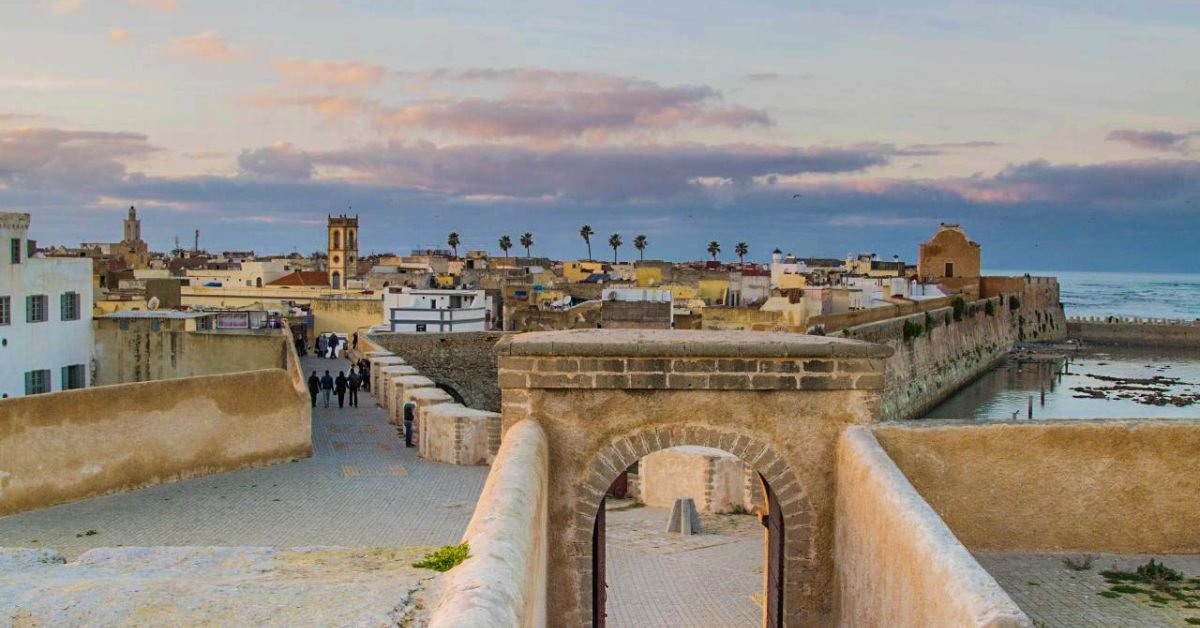
El Jadida – A coastal city with Portuguese heritage.
Nestled along Morocco’s Atlantic coast, El Jadida blends Moroccan charm with Portuguese heritage. Located about 100 kilometers southwest of Casablanca, this coastal gem boasts a rich history, stunning beaches, and a unique fusion of European and North African cultures. Whether you are a history enthusiast, a beach lover, or a traveler seeking authentic experiences, El Jadida offers a captivating escape. A Glimpse into El Jadida’s Portuguese Legacy Originally known as Mazagan, El Jadida began as a fortified coastal town established by the Portuguese in the early 16th century. Today, the Portuguese Cistern, an underground water reservoir with mesmerizing reflections, stands as one of the city’s most iconic landmarks. In 2004, UNESCO designated the historic Portuguese City of Mazagan as a World Heritage Site, recognizing its cultural and architectural significance.While exploring El Jadida, you must visit other notable Portuguese landmarks: The Fortress of Mazagan: This site offers panoramic ocean views and well-preserved ramparts. The Church of the Assumption: A stunning Gothic-style church that reflects the city’s colonial past. The Old Medina: A charming maze of streets where history and local life intertwine. The Coastal Beauty of El Jadida In addition to its historical sites, El Jadida boasts some of Morocco’s most picturesque coastal landscapes. The city’s beaches provide a perfect blend of relaxation and adventure: Sidi Bouzid Beach: Known for its golden sands and excellent surfing conditions. Haouzia Beach: A peaceful retreat ideal for sunbathing and seaside strolls. Oualidia Lagoon: Located just a short drive from El Jadida, this natural paradise is famous for oyster farming and various water activities. Culinary Delights and Local Culture El Jadida’s culinary scene delights visitors with a mix of Portuguese and Moroccan flavors. Fresh seafood, tagines, and grilled fish are popular specialties. Additionally, the city’s lively souks and markets offer vibrant shopping experiences where you can find traditional crafts, spices, and textiles. Why Visit El Jadida? El Jadida presents a unique destination where history meets coastal beauty. Its Portuguese heritage, pristine beaches, and vibrant local culture make it a must-visit city in Morocco. Whether you’re exploring ancient fortresses or enjoying fresh seafood by the sea, El Jadida promises an unforgettable journey. Plan Your Trip to El Jadida Today! Step into the past and experience the rich history and coastal charm of El Jadida. From exploring UNESCO-listed sites to unwinding on sun-kissed beaches, this Moroccan city is a true hidden treasure waiting to be discovered.Stay tuned for more travel insights on Morocco’s most enchanting destinations! This revision reduces passive voice usage while incorporating more transition words to improve flow and readability.
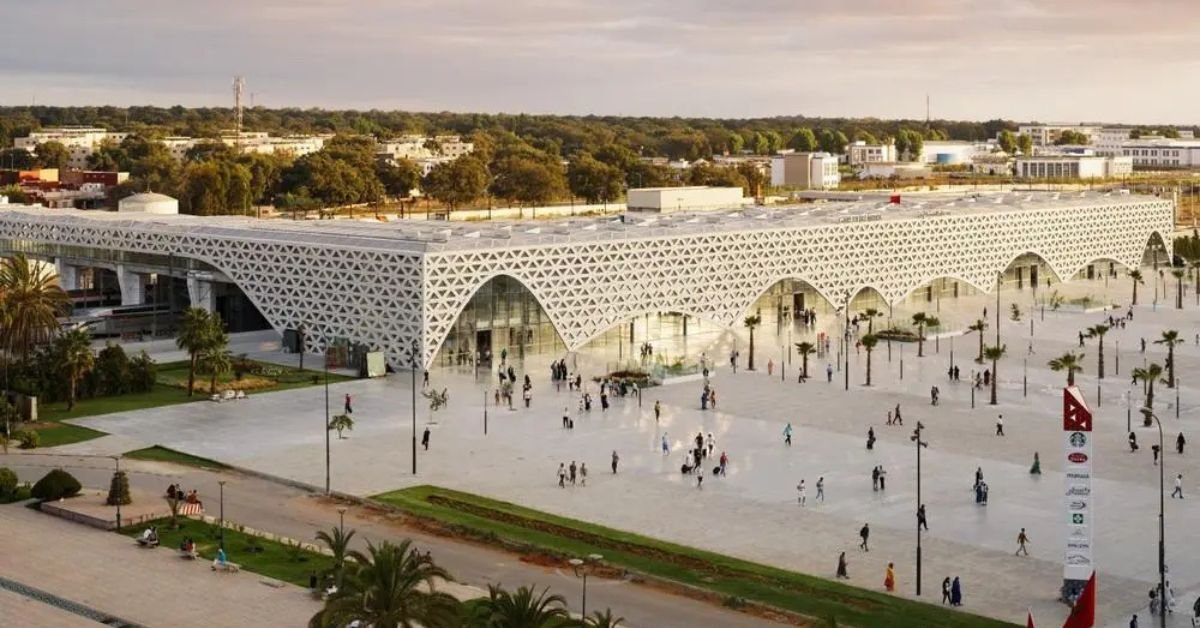
Kenitra – An important industrial and port city.
Located in the northern region of Morocco, Kenitra stands as a crucial industrial and port city, playing a significant role in the country’s economy and trade. With its strategic location along the Atlantic coast and proximity to Rabat, Kenitra has evolved into a thriving hub for commerce, manufacturing, and maritime activities. Beyond its industrial importance, the city offers a blend of modern infrastructure, rich history, and natural beauty that makes it a fascinating destination. The Economic Powerhouse of Northern Morocco Kenitra is one of Morocco’s key economic centers, contributing significantly to the country’s agriculture, automobile, textile, and food processing industries. The city hosts several industrial zones, including the Atlantic Free Zone, which attracts global companies and promotes foreign investment. Many multinational corporations have established their manufacturing units here, boosting employment and economic growth. Additionally, Kenitra’s port serves as a vital gateway for exporting goods, particularly agricultural products like citrus fruits and seafood, making it an essential player in Morocco’s international trade. A City with a Rich Past While Kenitra is known for its modern industries, it also boasts a deep historical significance. Originally named Port Lyautey during the French colonial era, the city played an essential role during World War II, serving as a strategic base for Allied forces. Today, visitors can explore remnants of its past, including colonial-era buildings and military sites. Nature and Leisure in Kenitra Beyond its industrial and historical appeal, Kenitra is home to stunning natural landscapes and leisure spots. Some of the top attractions include: Mehdia Beach: A popular destination for surfers and beach lovers, offering golden sands and perfect waves. Sidi Boughaba Nature Reserve: A haven for birdwatchers, this wetland area hosts a diverse range of migratory birds. Sebou River: Flowing through Kenitra, this river provides scenic boat rides and picturesque views of the city. Exotic Gardens of Sidi Taibi: Located just outside the city, these lush gardens provide a peaceful retreat. Why Visit Kenitra? Kenitra is more than just an industrial city; it is a dynamic destination that seamlessly blends economic development with cultural richness and natural beauty. Whether you are a business traveler exploring investment opportunities or a tourist seeking new experiences, Kenitra offers something unique for everyone. Plan Your Visit to Kenitra Today! Discover Kenitra – An Important Industrial and Port City, and experience its blend of industry, history, and natural beauty. From thriving business districts to scenic coastlines, this city is a hidden gem waiting to be explored! Looking for more travel insights? Stay tuned for more blogs on Morocco’s must-visit destinations!
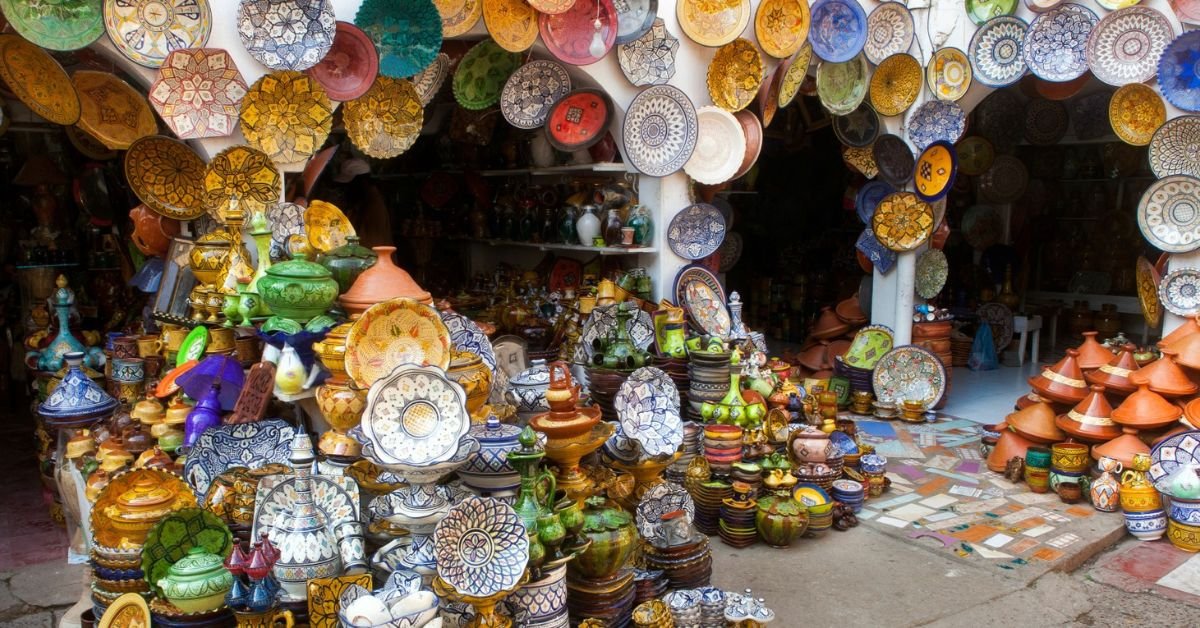
Safi – Known for its pottery and fishing industry.
Morocco is a land of vibrant culture, breathtaking landscapes, and deep-rooted traditions. Among its many treasures, Safi stands out as a charming coastal city renowned for its exquisite pottery and thriving fishing industry. This historic city offers travelers a blend of artistic heritage, stunning ocean views, and authentic Moroccan craftsmanship. The Rich Heritage of Safi Located along Morocco’s Atlantic coast, Safi boasts a history that dates back centuries. Once an important Portuguese stronghold, the city has evolved into a cultural and industrial hub. Visitors can witness the influence of various civilizations while strolling through the streets. From Portuguese fortifications to traditional Moroccan souks filled with local crafts, the city’s history is palpable. Safi’s World-Famous Pottery One of Safi’s biggest attractions is its pottery industry, which has earned it the title of Morocco’s Ceramics Capital. Artisans in Safi have perfected the craft over generations. They produce stunning handmade pieces featuring intricate geometric patterns and traditional Berber designs. The National Ceramic Museum showcases these masterpieces and provides insights into the techniques used in this age-old craft.When you visit Safi, make sure to explore the potters’ quarter (Quartier des Potiers). Here, skilled craftsmen shape clay into beautiful tajines, vases, and tiles using techniques passed down through generations. Tourists can even participate in pottery workshops to create their own Moroccan ceramic souvenirs. The Thriving Fishing Industry Beyond its artistic charm, Safi is one of Morocco’s largest fishing ports. The city plays a crucial role in the seafood industry by supplying fresh fish to local markets and international exports. You can explore the lively Port of Safi, where fishermen bring in their daily catch, including sardines and shrimp.Seafood lovers should indulge in fresh meals at local restaurants along the coast. Grilled sardines, seafood tajines, and spiced fish dishes are must-try delicacies that showcase the city’s rich maritime flavors. Exploring the Beauty of Safi In addition to its pottery and fishing heritage, Safi offers breathtaking natural beauty and historical landmarks. Some top attractions include: Kechla Castle (Qasr el Bahr): A Portuguese fortress offering panoramic views of the Atlantic Ocean. Oualidia Lagoon: A serene coastal escape perfect for birdwatching and oyster tasting. Sidi Bouzid Beach: A favorite spot for surfers with powerful waves and golden sands. Dar el Bahar: A historical site with old ramparts and stunning sunset views over the sea. Why Visit Safi? Safi is an off-the-beaten-path destination that offers a unique mix of culture, craftsmanship, and coastal charm. Whether you’re an art enthusiast or a history buff, Safi captivates every traveler. Its friendly locals, rich traditions, and scenic beauty make it a must-visit city in Morocco. Plan Your Trip to Safi Today! If you’re looking for an authentic Moroccan experience, consider adding Safi to your travel list. Discover the magic of this coastal gem, immerse yourself in its artistic traditions, and savor the freshest seafood Morocco has to offer! This revision incorporates more transition words for better flow while also shortening some sentences to meet readability guidelines.
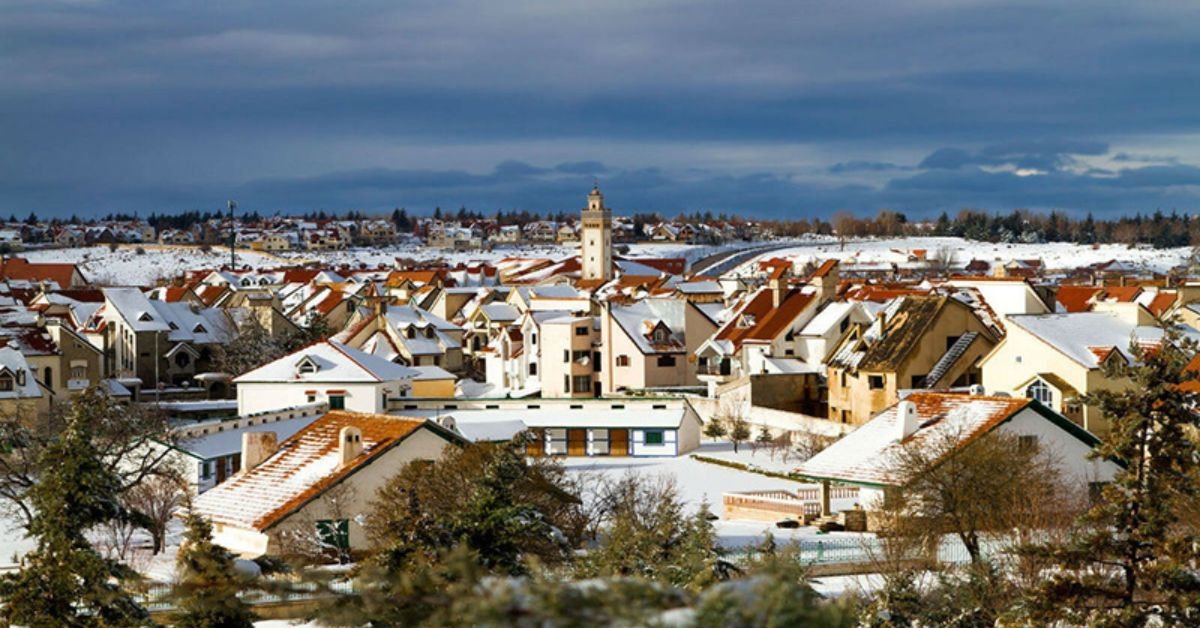
Ifrane – A mountain city nicknamed the “Switzerland of Morocco”
Nestled in the Middle Atlas Mountains, Ifrane – A mountain city nicknamed the “Switzerland of Morocco,” is a hidden gem known for its European-style architecture, pristine streets, and breathtaking natural beauty. Whether you’re looking for a peaceful escape, outdoor adventures, or a glimpse into Morocco’s diverse landscapes, Ifrane offers an unforgettable experience. Why Visit Ifrane? Ifrane stands out from other Moroccan cities due to its Alpine charm and cool climate. Unlike the bustling souks of Marrakech or the Sahara’s golden dunes, Ifrane boasts lush forests, charming chalets, and even snowfall in winter, making it a top destination for nature lovers and adventure seekers. Top Attractions in Ifrane Al Akhawayn University – This prestigious university, built in a European architectural style, adds to Ifrane’s unique aesthetic. Lion Stone (Lion de l’Atlas) – A famous stone sculpture of a lion, carved during the French colonial period, is a must-visit landmark. Michlifen Ski Resort – Experience skiing and snowboarding in winter at one of Morocco’s best ski resorts. Ifrane National Park – Home to the endangered Barbary macaques, this park is perfect for hiking, picnicking, and wildlife spotting. Dayet Aoua Lake – A picturesque lake ideal for birdwatching, horse riding, and relaxing by the water. Cedar Forests – Walk among ancient cedar trees, some of which are over 800 years old, and enjoy the crisp mountain air. Things to Do in Ifrane Skiing & Snowboarding: If you visit in winter, enjoy the snow-covered slopes of Michlifen Ski Resort. Hiking & Nature Walks: Explore the lush forests and mountains surrounding the city. Cycling & Horseback Riding: Rent a bike or go horseback riding around the scenic landscapes. Cultural Exploration: Discover Ifrane’s rich history, influenced by Berber, French, and Moroccan traditions. Enjoy Local Cuisine: Try warm tagines, grilled meats, and freshly baked bread, perfect for the cool mountain climate. Best Time to Visit Winter (December – February): If you love snow and skiing, winter is the best time to visit Ifrane. Spring & Summer (March – August): Enjoy pleasant weather, lush greenery, and outdoor activities. Autumn (September – November): The fall season brings cooler temperatures and fewer crowds, making it perfect for a peaceful retreat. Experience the Charm of Ifrane Whether you want to ski, hike, or simply soak in the European charm of Ifrane – A mountain city nicknamed the “Switzerland of Morocco,” this picturesque town promises an escape like no other. Plan your visit to experience Morocco’s unexpected Alpine retreat! Have you visited Ifrane? Share your experience in the comments below!

Dakhla – A city in Moroccan Desert known for water sports.
Tucked away on the Atlantic coast, Dakhla – A city in Moroccan Desert known for water sports, is a paradise for adventure seekers and nature lovers. With its stunning lagoons, golden dunes, and world-class water sports scene, Dakhla offers an unforgettable experience for travelers looking to explore Morocco’s coastal gem. Why Visit Dakhla? Dakhla is a unique destination that combines natural beauty with thrilling outdoor activities. Whether you’re an adrenaline junkie or simply seeking a peaceful escape by the sea, this city has something for everyone. From its crystal-clear waters to its charming local culture, this is a hidden gem waiting to be discovered. Water Sports Haven One of the biggest draws of Dakhla – A city in Moroccan Desert known for water sports, is its reputation as a premier water sports destination. With strong winds and calm, shallow waters, it has become a hotspot for activities like: Kitesurfing: Dakhla is world-renowned for kitesurfing, attracting enthusiasts from around the globe. The consistent wind conditions make it an ideal place for both beginners and experienced riders. Windsurfing: The vast lagoon provides perfect conditions for windsurfing, allowing for exhilarating rides across the water. Surfing: The Atlantic coast near Dakhla offers excellent waves for surfers, with several surf schools available for newcomers. Kayaking & Stand-Up Paddleboarding: For those who prefer a more relaxed experience, the serene waters of Dakhla’s lagoon are perfect for kayaking and paddleboarding. Top Attractions in Dakhla Beyond its water sports appeal, Dakhla is home to several breathtaking sights and cultural experiences: Dakhla Lagoon: A stunning turquoise lagoon stretching for miles, offering scenic views and an ideal setting for water activities. White Dune: A mesmerizing white sand dune that rises from the water, providing a perfect spot for photos and relaxation. Dragon Island: A small, uninhabited island with unique rock formations and crystal-clear waters, perfect for a boat excursion. Oyster Farms: Seafood lovers can visit local oyster farms and enjoy freshly harvested oysters with a view of the lagoon. Desert Safari: Take a 4×4 adventure into the nearby desert to experience the rugged beauty of the Sahara. Local Culture and Cuisine Dakhla offers a blend of Moroccan and Saharan culture, with a laid-back vibe that makes visitors feel welcome. The city’s seafood is a highlight, with dishes like grilled fish, fresh oysters, and traditional Moroccan tagines being must-tries. Don’t forget to sip on Moroccan mint tea while enjoying the sunset over the lagoon. Best Time to Visit The best time to visit Dakhla – A city in Moroccan Desert known for water sports, is between October and April when the wind conditions are optimal for kitesurfing and windsurfing, and the temperatures are mild and pleasant. Experience the Magic of Dakhla Whether you’re looking to ride the waves, explore untouched natural beauty, or simply unwind by the sea, Dakhla – A city in Moroccan Desert known for water sports, is a destination that promises an unforgettable adventure. Plan your trip today and immerse yourself in the charm of this coastal gem! Where journeys begin and comforts await. Click here Have you been to Dakhla? Share your experiences in the comments below!
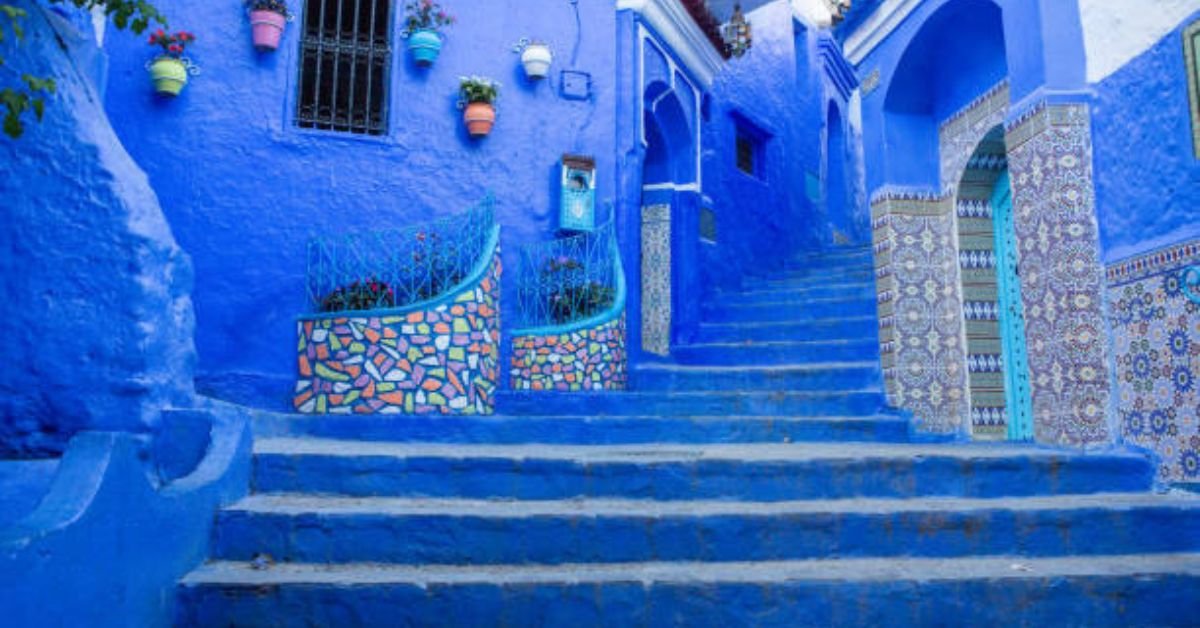
Chefchaouen – Famous for its blue-painted streets and buildings.
Nestled in the heart of the Rif Mountains, Chefchaouen – Famous for its blue-painted streets and buildings, is a hidden gem that captivates travelers with its serene charm and mesmerizing beauty. Known as the Blue Pearl of Morocco, this picturesque town is a must-visit destination for those seeking a blend of culture, history, and stunning landscapes. The Allure of Chefchaouen’s Blue-Hued Streets Wandering through Chefchaouen’s narrow, winding alleys feels like stepping into a dream. The vibrant shades of blue covering the walls, doors, and staircases create an ethereal atmosphere, making the town a photographer’s paradise. But why is Chefchaouen bathed in blue? There are many theories—some say it was introduced by Jewish refugees in the 15th century, symbolizing the sky and heaven, while others believe it helps repel mosquitoes. Regardless of the reason, the town’s blue-washed beauty is undeniably captivating. Exploring the Rich Heritage of Chefchaouen Beyond its striking appearance, Chefchaouen – Famous for its blue-painted streets and buildings, boasts a deep-rooted history. Founded in 1471 as a small fortress to resist Portuguese invasions, it later became a refuge for Jews and Moors fleeing Spain. Today, Chefchaouen retains its Andalusian influence, seen in its white-and-blue houses, red-tiled roofs, and charming courtyards. Must-Visit Attractions in Chefchaouen: The Medina: A peaceful, less crowded alternative to the bustling medinas of Marrakech or Fes. Here, you can find local artisans selling handmade textiles, pottery, and intricate handicrafts. Plaza Uta el-Hammam: The vibrant heart of the town, lined with cafes and restaurants offering delicious Moroccan cuisine. Kasbah Museum: A historic fortress featuring a beautiful Andalusian garden, a small ethnographic museum, and stunning views from the tower. Ras El Maa Waterfall: A short walk from the medina, this natural spring is a perfect spot to relax and soak in the tranquil surroundings. Spanish Mosque: Perched on a hilltop, this mosque offers panoramic views of Chefchaouen, especially at sunset. A Haven for Nature and Adventure Lovers Surrounded by the rugged Rif Mountains, Chefchaouen is also an ideal base for outdoor enthusiasts. Travelers can embark on scenic hikes through the Talassemtane National Park, explore the breathtaking Akchour Waterfalls, or take a leisurely walk through the lush green valleys nearby. The crisp mountain air and stunning landscapes make it a paradise for nature lovers. Indulge in the Flavors of Chefchaouen No trip to Chefchaouen – Famous for its blue-painted streets and buildings, is complete without savoring its local cuisine. The town’s cafes and restaurants offer a delightful array of Moroccan flavors, from steaming plates of tagine to freshly baked khobz (bread) served with aromatic mint tea. Don’t miss out on goat cheese, a regional specialty that adds a unique touch to traditional dishes. Best Time to Visit Chefchaouen While Chefchaouen is a year-round destination, the best time to visit is during spring (March to May) and autumn (September to November) when the weather is mild, and the landscapes are at their most vibrant. Summers can be warm but remain comfortable due to the town’s mountain location. Experience the Magic of Chefchaouen Whether you’re looking for a peaceful retreat, a cultural immersion, or an adventure-filled getaway, Chefchaouen – Famous for its blue-painted streets and buildings, offers an unforgettable experience. Its dreamy blue alleys, rich history, and breathtaking surroundings make it one of Morocco’s most enchanting destinations. So, pack your bags and get ready to explore the magic of the Blue Pearl! Have you visited Chefchaouen? Share your experiences in the comments below!
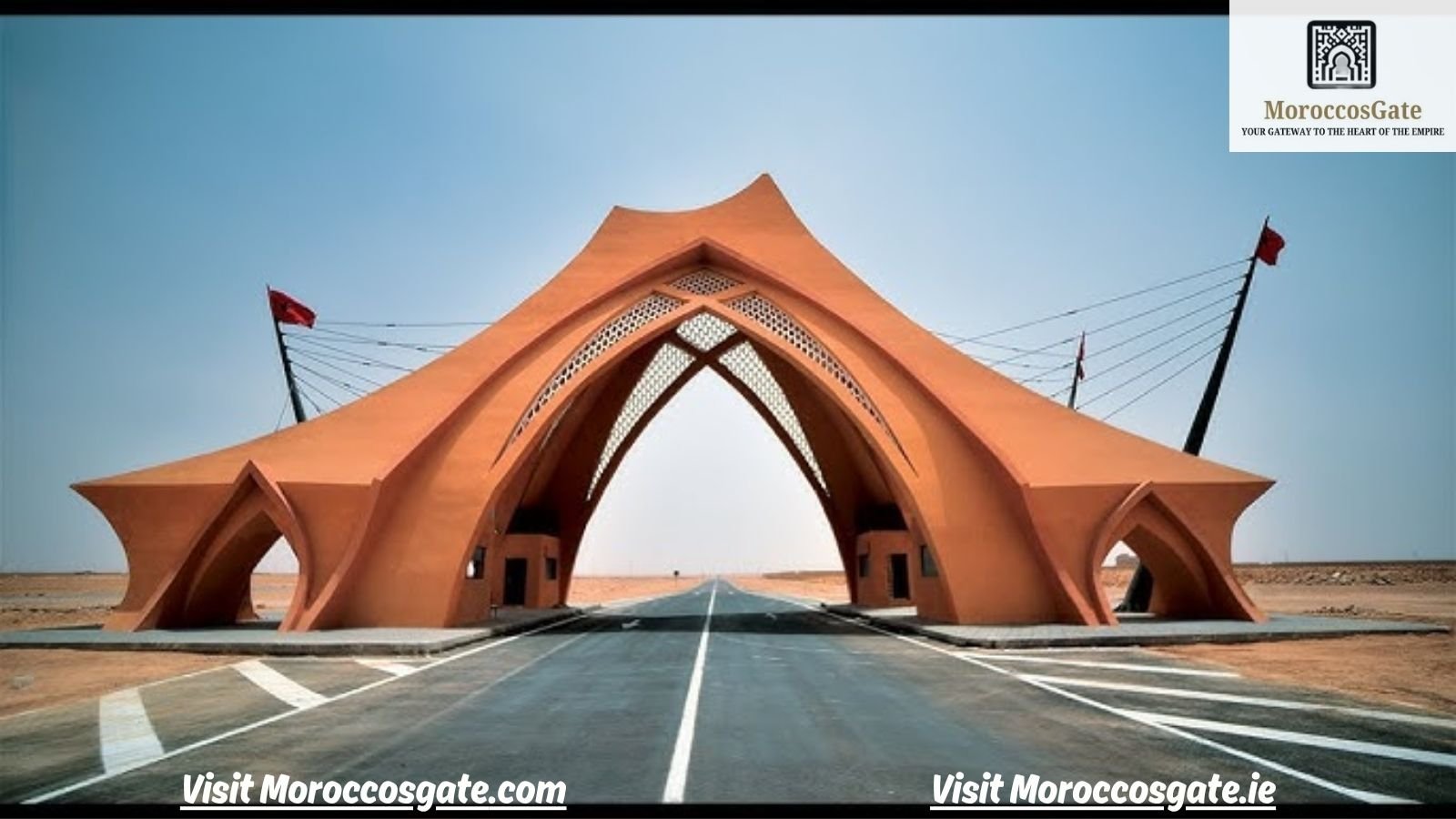
Laayoune – Explore Morocco’s Southern Gateway of Culture and Calm
Welcome to Laayoune – Morocco’s Quiet Charmer Laayoune, often overlooked by tourists, is a calm and culturally rich city in southern Morocco. With Spanish colonial architecture, wide streets, and a laid-back pace, Laayoune offers a refreshing contrast to the busy cities in the north. It’s a place where you can experience everyday Moroccan life away from large tourist crowds. 👉 Click Here to browse peaceful stays in and around Laayoune. A Mix of Cultures and History Laayoune has a fascinating history shaped by both Moroccan and Spanish influences. Its central plaza, Place Mechouar, is lined with palm trees and surrounded by buildings from the Spanish era. The city’s mosque, town hall, and church all reflect this unique blend of styles. While exploring, you’ll notice: Quiet streets with friendly locals Government buildings in colonial style Public parks and open spaces for relaxing Local cafés serving mint tea and fresh bread This mix of past and present makes Laayoune ideal for travellers seeking authenticity and calm. Nearby Beaches and Desert Landscapes Laayoune is close to the Atlantic coast, with wide, empty beaches perfect for long walks, reflection, and sunset photography. One of the popular spots is Foum El Oued, a peaceful beach area about 25 km from the city. Here, you can: Relax by the ocean with few people around Watch fishing boats come and go Take coastal photos with soft light and waves 👉 Click Here to stay near Laayoune’s beautiful coastline. The surrounding areas also feature desert-like scenery, making the region great for photography and road trips. Taste Local Flavours Food in Laayoune is humble but satisfying. You’ll find Moroccan favourites like tagine and couscous, often cooked with local fish or lamb. Spanish influence means you might also find dishes like tortilla or paella in certain spots. Don’t miss: Local seafood in small family-run restaurants Street vendors selling grilled meat sandwiches Traditional mint tea served in tall glasses 👉 Click Here for exclusive offers. Travel Tips for Visiting Laayoune Best time to visit: October to April for mild weather Transport: Small airport connects to Casablanca; taxis are easy to find Language: Arabic and Spanish are commonly spoken; some French Currency: Moroccan Dirham (MAD) – cash is preferred Clothing: Respect local customs with modest dress, especially in markets A trip to Laayoune offers space to breathe, time to reflect, and a deeper connection to Morocco’s less-travelled side.