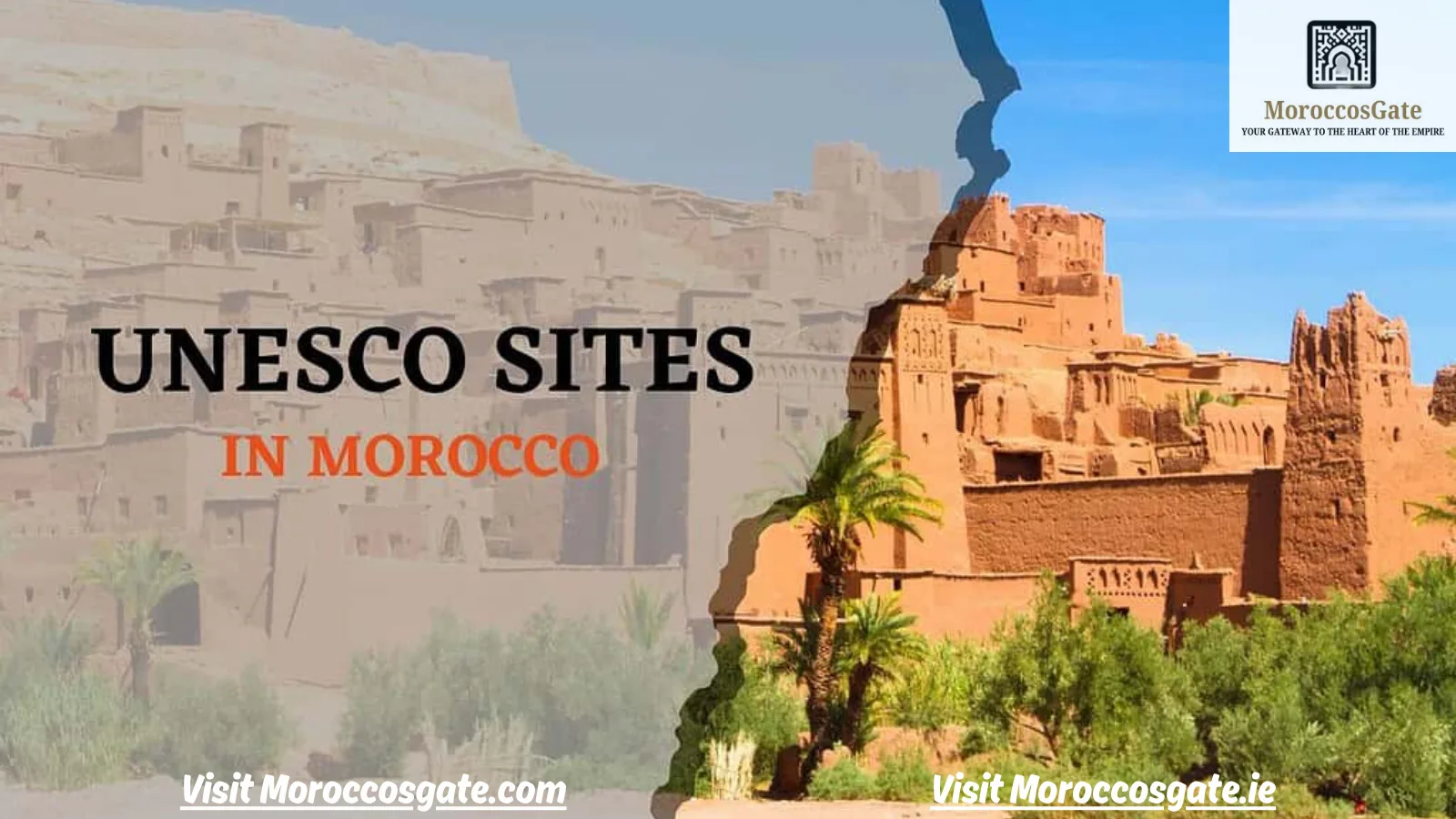
Historical Sites of Morocco: A Journey Through Time Morocco’s Historical Legacy Morocco’s history is like a colorful quilt, stitched together with pieces from different times and cultures. From the native Berber roots to Roman rule, powerful Islamic dynasties, and European influence—every chapter has left its mark on the country. Because Morocco sits at the meeting point of Africa, Europe, and the Middle East, it’s become a unique mix of traditions, styles, and stories. You can feel this rich history when you visit Morocco’s ancient places. Walk through the narrow, winding streets of Fez, or stand in the middle of Roman ruins in Volubilis, and you’ll sense the past all around you. These places aren’t just old stones—they’re windows into how people lived, what they believed in, and what they created long ago. In this blog, we’re going to take you on a trip to some of Morocco’s most amazing historical sites. From world-famous UNESCO landmarks to quiet hidden treasures, each one has its own story and magic. Whether you’re a history lover or just curious about the past, get ready to explore a side of Morocco that’s full of wonder and discovery. Moroccosgate Volubilis: Morocco’s Roman Legacy Nestled in the fertile plains near Meknes, the archaeological site of Volubilis stands as one of Morocco’s most significant historical treasures. Founded in the 3rd century BCE, Volubilis became a thriving Roman city and the capital of the province of Mauretania Tingitana. Its well-preserved ruins, recognized as a UNESCO World Heritage Site since 1997, offer a window into Roman life in North Africa. The Rise of Volubilis Volubilis began as a Berber settlement before falling under Roman control in the 1st century CE. The city flourished as a hub of agriculture, particularly olive oil production, which fueled its wealth. At its peak, Volubilis was home to grand villas, temples, and public baths, reflecting the sophistication of Roman urban planning. Its strategic location along trade routes connected it to the broader Roman Empire, fostering cultural exchange. Exploring the Ruins Today, visitors to Volubilis can wander through remarkably intact structures, including the Basilica, a 3rd-century CE administrative building with towering columns, and the Triumphal Arch of Caracalla, erected in 217 CE to honor the Roman emperor. The site is particularly famous for its exquisite mosaics, which adorn the floors of wealthy villas. These intricate designs depict mythological scenes, such as the Labors of Hercules and the Four Seasons, showcasing the artistic prowess of the era. Walking through Volubilis feels like stepping into a living museum. The House of Orpheus, one of the largest villas, features a stunning mosaic of the mythical musician, while the Capitol Temple offers panoramic views of the surrounding countryside. The site’s quiet serenity, punctuated by the chirping of birds and the rustle of olive groves, contrasts with its historical bustle, inviting reflection on the passage of time. Cultural Significance Volubilis is more than a Roman relic; it represents the blending of cultures. Berber, Punic, and Roman influences coexist in its architecture and artifacts, while later Islamic settlements left their mark after the Romans departed in the 3rd century CE. The site’s enduring legacy lies in its ability to tell a story of adaptation and resilience, making it a must-visit for history enthusiasts. Medina of Fez: The Heart of Moroccan Culture The Medina of Fez, a UNESCO World Heritage Site since 1981, is often described as the soul of Morocco. Founded in the 9th century by Idris I, Fez became a center of learning, religion, and commerce under the Idrisid dynasty. Its medina, known as Fes el-Bali, is one of the largest car-free urban areas in the world, a labyrinth of narrow alleys, vibrant souks, and architectural masterpieces. A Living Medieval City Unlike many Historical Sites of Morocco that feel frozen in time, the Medina of Fez is alive with activity. Artisans hammer copper, dye leather, and weave textiles in workshops that have operated for centuries. The medina’s 9,000 streets and alleyways are lined with madrasas, mosques, and riads, each a testament to the city’s golden age under the Marinid dynasty in the 13th and 14th centuries. At the heart of the medina lies the University of Al-Qarawiyyin, founded in 859 CE by Fatima al-Fihri. Recognized as the oldest continuously operating university in the world, it has educated scholars like Ibn Khaldun and attracted students from across the Islamic world. Its library, recently restored, houses ancient manuscripts that reflect Fez’s intellectual legacy. Architectural Marvels The medina is a showcase of Moroccan craftsmanship. The Bou Inania Madrasa, built in the 14th century, is a masterpiece of Marinid architecture, with intricate zellige tiles, carved stucco, and a serene courtyard. The Al-Attarine Madrasa, another gem, dazzles with its vibrant tilework and cedar wood carvings. These schools of Islamic learning highlight the importance of education in Fez’s history. The Chouara Tannery, one of the medina’s most iconic sights, offers a glimpse into traditional leather production. From vantage points above the tannery, visitors can watch workers dye hides in colorful vats, a process unchanged for centuries. The sensory experience—sights, smells, and sounds—immerses you in Fez’s living history. Navigating the Medina Exploring Fez’s medina can feel overwhelming, but that’s part of its charm. Hiring a local guide is recommended to navigate its maze-like streets and uncover hidden gems, like the Ibn Danan Synagogue, a 17th-century testament to Fez’s Jewish heritage. The medina’s souks, brimming with spices, ceramics, and textiles, invite leisurely browsing, while street food stalls offer delights like b’stilla, a savory-sweet pastry. The Medina of Fez is not just a Historical Sites of Morocco; it’s a cultural heartbeat. Its blend of tradition and vitality makes it a cornerstone of Morocco’s identity, offering an unforgettable journey through time. Marrakech: The Red City’s Historical Gems Marrakech, often called the Red City for its rose-hued walls, is a vibrant hub of history and culture. Founded in the 11th century by the Almoravid dynasty, it served as Morocco’s capital under multiple dynasties, leaving behind a legacy of palaces, gardens, and

10 Dreamy Romantic Getaways in Morocco You’ll Fall in Love With
Romantic Getaways in Morocco: A Journey for Two Morocco is a land where love feels like it’s woven into the very air—where vibrant souks hum with life, ancient cities whisper tales of timeless passion, and starlit deserts stretch endlessly beneath a velvet sky. For couples seeking a romantic escape, Morocco offers an intoxicating blend of adventure, luxury, and intimacy. From the labyrinthine streets of Fez to the rose-hued dunes of the Erg Chebbi, every corner of this North African gem invites you to connect deeply with your partner. This guide explores the most enchanting destinations and experiences for romantic getaways in Morocco, designed to spark connection and create memories that linger long after you return home. Why Morocco is Perfect for Romance Morocco’s allure lies in its ability to feel both exotic and intimate. The country’s diverse landscapes—from rugged mountains to golden coastlines—set the stage for shared adventures, while its rich culture invites couples to immerse themselves in new experiences together. Imagine sipping mint tea on a rooftop as the sun sets over Marrakech, or holding hands under a canopy of stars in a desert camp. Morocco’s blend of sensory delights, from fragrant spices to intricate tilework, creates a backdrop that feels made for love. The pace of life here encourages couples to slow down and savor each moment. Whether you’re wandering hand-in-hand through a medina or indulging in a candlelit dinner, Morocco fosters a sense of togetherness. Its hospitality, rooted in warmth and generosity, ensures you feel welcomed and cherished, making every experience feel personal and meaningful. Marrakech: The Heartbeat of Romance Exploring the Medina’s Magic Marrakech is often the first stop for couples, and it’s easy to see why. The city pulses with energy, yet offers countless pockets of tranquility for lovers. The medina, a UNESCO World Heritage Site, is a maze of narrow alleys lined with vibrant souks selling everything from handwoven rugs to gleaming lanterns. Stroll through these bustling markets, pausing to admire artisans at work or to share a freshly squeezed orange juice from a street vendor. The chaos of the souks feels thrilling when you’re navigating it together, stealing glances and laughing as you dodge donkey carts. For a quieter moment, visit the Jardin Secret, a restored 19th-century garden tucked within the medina. Its lush greenery, bubbling fountains, and shaded benches create a serene oasis where you can whisper sweet nothings surrounded by blooming bougainvillea. As evening falls, head to Jemaa el-Fnaa, the city’s main square, where storytellers, musicians, and food stalls create a lively atmosphere. Share a plate of grilled kebabs or sweet pastries under the stars, letting the square’s magic draw you closer. (Romantic Getaways in Morocco) Luxurious Riads for Intimate Stays Marrakech’s riads—traditional homes turned boutique hotels—are the epitome of romantic accommodation. These hidden gems, often concealed behind unassuming doors, open into stunning courtyards adorned with mosaics, fountains, and fragrant orange trees. Riad Yasmine, with its emerald-tiled pool and rooftop terrace, is a favorite for couples. Sip cocktails as you watch the sun dip below the Atlas Mountains, or book a private hammam session for a sensual spa experience. For ultimate luxury, consider La Mamounia, a legendary hotel that blends Moroccan craftsmanship with modern opulence. Its sprawling gardens, candlelit dining rooms, and sumptuous suites make it a haven for romance. Book a couples’ massage at the spa, where rose petals and argan oil create an indulgent escape, or dine at one of the hotel’s restaurants, savoring dishes like lamb tagine with apricots. Sunset Camel Rides in the Palmerie Just outside the city, the Palmerie—a vast palm grove—offers a dreamy setting for a romantic adventure. Book a sunset camel ride through the swaying palms, swaying gently as you and your partner take in the golden light. Many tours end with a traditional tea ceremony, where you can relax on cushions and share stories as the sky turns pink. The Palmerie’s tranquility feels worlds away from Marrakech’s bustle, making it a perfect way to reconnect. Fez: A Timeless Love Story Wandering the Ancient Medina Fez, one of Morocco’s oldest cities, feels like stepping into a fairy tale. Its medina, Fes el-Bali, is a labyrinth of over 9,000 alleys, where every turn reveals something new—a hidden courtyard, a spice-scented stall, or a doorway framed in intricate zellige tiles. Exploring Fez hand-in-hand is an adventure in itself, as you lose yourselves in the maze and discover its treasures together. Stop by the Chouara Tannery, where vibrant dye pits create a striking backdrop for photos, or visit the Al-Attarine Madrasa, a masterpiece of Marinid architecture with delicate stucco work and cedar ceilings. For a romantic pause, climb to the Marinid Tombs on a hill overlooking the city. The ruins offer panoramic views of Fez’s rooftops, especially at sunset when the call to prayer echoes across the valley. Bring a blanket and share a quiet moment, soaking in the beauty of the city below. (Romantic Getaways in Morocco) Cooking Classes for Two Fez is a culinary capital, and taking a cooking class together is a delightful way to bond. Many riads and schools, like Café Clock, offer hands-on workshops where you’ll learn to make dishes like chicken pastilla or vegetable couscous. Chopping vegetables, grinding spices, and shaping dough side by side feels intimate and fun, and you’ll savor the results over a candlelit meal. These classes often include a trip to the souk to select ingredients, adding a layer of adventure to the experience. Cozy Stays in Historic Riads Fez’s riads are as enchanting as Marrakech’s, but with a more soulful, historic vibe. Riad Laaroussa, set in a 17th-century mansion, boasts a courtyard garden, a rooftop terrace, and suites with handcrafted details. Its hammam, carved from tadelakt plaster, is perfect for a private spa day. Alternatively, Palais Amani offers elegance with its art deco-inspired suites and a rooftop bar overlooking the medina. Enjoy breakfast in bed with fresh pastries and mint tea, or book a private dinner in the riad’s garden, surrounded by lanterns and jasmine.

U20 AFCON: Morocco & South Africa Set Up Epic 1997 Final Repeat
The U20 Africa Cup of Nations (AFCON) has sparked excitement in 2025, as Morocco and South Africa clinch their spots in the final, setting up a thrilling repeat of the 1997 showdown. Consequently, this clash, rich with history and driven by youthful ambition, promises a display of skill, passion, and national pride. As Morocco’s Atlas Lions face South Africa’s Amajita, fans across Africa eagerly await what could become one of the most unforgettable finals in recent years. In 1997, Morocco hosted the U20 AFCON and triumphed, defeating South Africa 1-0 in a fiercely contested match. Now, 28 years later, the two nations clash again, each with a fresh generation of talent ready to carve their names into football history. Therefore, this article explores the journey to the final, highlights key players, analyzes tactical battles, and examines the stakes for both teams, explaining why this matchup captivates African football fans. The Road to the 2025 Final Morocco’s Resilient Campaign Morocco’s journey to the U20 AFCON final inspires fans everywhere. As one of the tournament’s favorites, the Atlas Lions blend tactical discipline with attacking flair. For instance, their semi-final win against hosts Egypt showcased their determination, with Jones El-Abdellaoui scoring the decisive 1-0 goal to quiet the home crowd. Moreover, Morocco consistently adapts to opponents, switching between possession-based play and swift counter-attacks. Their defense, led by a well-coordinated backline, concedes few goals, making them a tough team to break down. Meanwhile, players like El-Abdellaoui ignite the attack, combining technical skill with sharp finishing to keep opponents on edge. South Africa’s Fighting Spirit South Africa’s Amajita have won over fans with their bold approach. By reaching their first U20 AFCON final since 1997, this young squad has surpassed expectations. Specifically, their semi-final victory highlighted their “fighting spirit,” as they outfought a formidable opponent to earn their final spot. Additionally, Amajita’s campaign thrives on relentless energy and attacking intent. They excel in quick transitions, with wingers and forwards exploiting gaps to create scoring chances. Their midfield, driven by dynamic playmakers, maintains balance, enabling South Africa to challenge technically stronger teams. Thus, this final offers Amajita a chance to rewrite history and claim the title that eluded them nearly three decades ago. A Throwback to 1997 The 1997 U20 AFCON final in Morocco remains a landmark for both nations. Morocco secured a 1-0 victory, showcasing defensive strength to hold off a skilled South African side. As a result, the Atlas Lions claimed the trophy amid cheering crowds, solidifying their youth football legacy. For South Africa, the defeat stung, yet it fueled their resolve to return stronger. Fast forward to 2025, and the similarities are striking. Morocco again shoulders high expectations, while South Africa embraces the underdog role. Since the 1997 final hinged on small margins, this year’s matchup promises similar intensity. Both teams have evolved, but the stakes remain unchanged: a shot at continental glory and a chance to inspire future stars. Key Players to Watch Morocco’s Rising Stars Morocco’s squad overflows with talent, and several players stand out as potential match-winners. For example, Jones El-Abdellaoui, the semi-final hero, captivates fans with his ability to find space and deliver in critical moments. The attacking midfielder’s vision and poise draw comparisons to Morocco’s senior stars. Furthermore, Morocco’s defense relies on a sturdy center-back duo that neutralizes even the strongest attacks. Their goalkeeper, known for acrobatic saves and quick reflexes, anchors the backline. Ultimately, Morocco’s success depends on these players sustaining their form and shining in the final. South Africa’s Young Guns South Africa’s Amajita bring energy and flair to the pitch. Their attack, led by a fast winger who cuts inside with ease, has been a tournament highlight. This player’s dribbling and creativity consistently trouble defenders. Similarly, a tenacious box-to-box midfielder drives the team, disrupting opponents and pushing attacks forward. Meanwhile, the goalkeeper, often overlooked, makes vital saves at key moments, boosting the defense’s confidence. Hence, South Africa’s ability to unite these talents into a cohesive unit will be crucial to overcoming Morocco’s disciplined approach. Tactical Breakdown: What to Expect Morocco’s Game Plan Morocco builds their strategy on structure and flexibility. Initially, expect the Atlas Lions to control possession, using short, precise passes to find gaps. Their midfielders excel at setting the game’s pace, allowing Morocco to dominate the flow. Additionally, wide players aim to stretch South Africa’s defense, creating room for attackers like El-Abdellaoui to strike. On defense, Morocco likely presses high to disrupt South Africa’s rhythm. Their backline, backed by a deep-lying midfielder, focuses on stopping Amajita’s speedy forwards. Moreover, set-pieces could prove dangerous, as Morocco’s height advantage threatens from corners and free-kicks. South Africa’s Strategy Amajita’s strategy centers on speed and intensity. Specifically, South Africa capitalizes on quick transitions, moving the ball rapidly to catch opponents off guard. Their wingers target Morocco’s full-backs, aiming for one-on-one opportunities. Meanwhile, the midfield stays compact to counter Morocco’s technical edge, with the box-to-box star breaking up play and sparking attacks. Defensively, South Africa must stay organized to avoid being outmaneuvered by Morocco’s fluid movement. Their goalkeeper’s shot-stopping skills will be vital, especially if Morocco controls the ball. Ultimately, Amajita’s success hinges on seizing limited chances and sustaining their high-energy style throughout the match. The Stakes: More Than Just a Trophy For both Morocco and South Africa, the U20 AFCON final means more than a trophy. It’s an opportunity to highlight their youth development programs and prove their strength on the continental stage. A win could launch these young players into senior national teams, with scouts from European and African clubs watching closely. For Morocco, victory would cement their reputation as a youth football powerhouse. It would also lift national spirits, uniting fans in celebration. Conversely, South Africa aims to end a 28-year title drought and establish Amajita as a dominant force. A triumph would spark a new wave of talent and fuel the nation’s football dreams. Beyond these rewards, the final grants a chance to qualify for the FIFA U20 World Cup. Earning a spot

Unveiling Morocco: A Tapestry of Culture, Colors, and Adventure
Morocco Travel Blog: A Journey Through Vibrant Culture and Stunning Landscapes Morocco captivates travellers with its blend of ancient traditions and modern vibrancy. Bustling souks pulse with energy, while landscapes shift from rugged mountains to vast deserts and tranquil coastlines. This North African treasure offers a kaleidoscope of colours, flavours, and stories. Over 5,000 words, I’ll share my unforgettable journey through Morocco Travel Blog, weaving in tips, reflections, and the magic that makes this destination unmissable. From lively cities to serene villages, let’s explore Morocco’s heart. Why Morocco? Before arriving in Morocco, its reputation as a cultural crossroads intrigued me. African, Arab, Berber, and European influences merge here, creating a unique tapestry. The allure of aromatic tagines, winding medinas, and the call to prayer echoing through streets ignited my curiosity. Consequently, Morocco promised to challenge my senses and reward my adventurous spirit. Whether you’re a history enthusiast, a food lover, or a seeker of stunning scenery, this country delivers. For three weeks, I explored Morocco’s diversity, from imperial cities to the Atlas Mountains and Essaouira’s coastal charm. My aim was to immerse myself in local culture, connect with people, and discover hidden gems off the tourist trail. Here’s how my journey unfolded. Arriving in Marrakech: The Pulse of Morocco Marrakech often welcomes travellers first, and its vibrancy instantly captivates. As I entered Djemaa el-Fna, the main square, I encountered a whirlwind of sights and sounds. Snake charmers played flutes, storytellers enthralled crowds, and vendors offered freshly squeezed orange juice. Meanwhile, the air carried scents of grilled meats and spices. Exploring Djemaa el-Fna This square, Marrakech’s beating heart, transforms throughout the day. In the morning, stalls sell leather bags and intricate jewellery. By evening, it morphs into an open-air theatre. For instance, I spent my first evening sipping mint tea at a rooftop café, watching the sunset paint the sky in pink and orange hues as the square hummed below. My advice? Visit Café Glacier or Le Grand Balcon for prime views, but arrive early to secure a spot. Navigating the Souks Next, I ventured into the souks, a maze of narrow alleys lined with shops. These markets overflow with handmade goods—vibrant rugs, brass lanterns, and blue pottery. Haggling, though initially intimidating, became enjoyable with practice. A smile and friendly banter work wonders. For example, I bought a handwoven scarf and a ceramic bowl, both cherished souvenirs. If you explore the souks, wear comfortable shoes and carry a map—getting lost is easy, but that’s part of the adventure. Furthermore, a spice shop visit stood out. The owner explained ras el hanout, a blend of up to 30 spices, and I now use it in my cooking. This encounter enriched my understanding of Moroccan cuisine. Discovering Marrakech’s Palaces Marrakech boasts remarkable historical sites. I visited the Bahia Palace, where intricate tilework and tranquil courtyards evoked a sultan’s dream. Similarly, the Saadian Tombs, rediscovered in 1917, feature stunning mausoleums with zellige (mosaic tilework). To avoid crowds, I arrived early at both. Additionally, I strolled through Jardin Majorelle, a botanical garden once owned by Yves Saint-Laurent. The cobalt-blue villa against lush greenery was a photographer’s delight. Since tickets sell out quickly, book online in advance for this serene escape from the city’s bustle. Fez: A Journey Back in Time After Marrakech, I boarded a train to Fez, a city that feels like a living museum. Home to one of the world’s oldest universities, Fez’s medina has thrived for over a millennium. As I stepped into Fez el-Bali, the old city, I felt transported to another era. The Medina of Fez el-Bali This UNESCO World Heritage Site, one of the largest car-free urban areas globally, relies on donkeys and handcarts for transport. On my first day, I hired a local guide—a wise decision. The medina’s 9,000 alleys form a labyrinth, but my guide’s stories brought its history to life. For instance, we visited the Chouara Tannery, where workers dye leather using centuries-old methods. The colourful vats were mesmerising, though the smell was strong. I accepted a sprig of mint at the entrance to cope. Afterwards, I purchased soft leather slippers, a testament to Fez’s craftsmanship. Cultural Gems in Fez Fez thrives as a centre of learning and spirituality. I explored the Al-Qarawiyyin Mosque and University, founded in 859 AD by Fatima al-Fihri. Although non-Muslims cannot enter the mosque, I admired the library and courtyard’s breathtaking architecture. Likewise, the Bou Inania Madrasa, a 14th-century Islamic school, impressed with its intricate stucco and serene ambiance. For a break, I visited Café Clock, famous for its camel burger (surprisingly delicious) and cooking classes. I joined a class to make chicken tagine, chopping vegetables and blending spices with a local chef. This hands-on experience became a trip highlight. The Atlas Mountains: Nature’s Masterpiece Leaving the cities, I sought tranquillity in the Atlas Mountains. Their snow-capped peaks, terraced valleys, and Berber villages create a dramatic backdrop to Morocco Travel Blog landscape. Trekking in the Ourika Valley I stayed in the Ourika Valley, a popular Marrakech day trip but ideal for longer visits. I joined a guided trek to the Setti Fatma waterfalls, seven cascades amid lush greenery. The hike, with rocky paths and steep climbs, challenged me, but the views rewarded every step. At the top, I cooled my feet in the water and enjoyed a picnic of fresh bread, olives, and cheese. Moreover, the Berber people’s hospitality shone through. At a family-run guesthouse, the owner, Ahmed, shared childhood stories over mint tea. His wife’s vegetable couscous, simple yet flavourful, was a trip highlight. Visiting Imlil and Toubkal For adventure, I travelled to Imlil, a village near Jebel Toubkal, North Africa’s highest peak. I didn’t climb Toubkal, which requires multi-day preparation, but I hiked through nearby valleys. The crisp air and sounds of goats and shepherds created a peaceful escape. If you visit Imlil, pack layers—nights are chilly, even in summer. Chefchaouen: The Blue Pearl No Morocco travel blog omits Chefchaouen, the “Blue Pearl” of the Rif Mountains. Its
Your Ultimate First Time Visitor’s Guide to Morocco Adventure
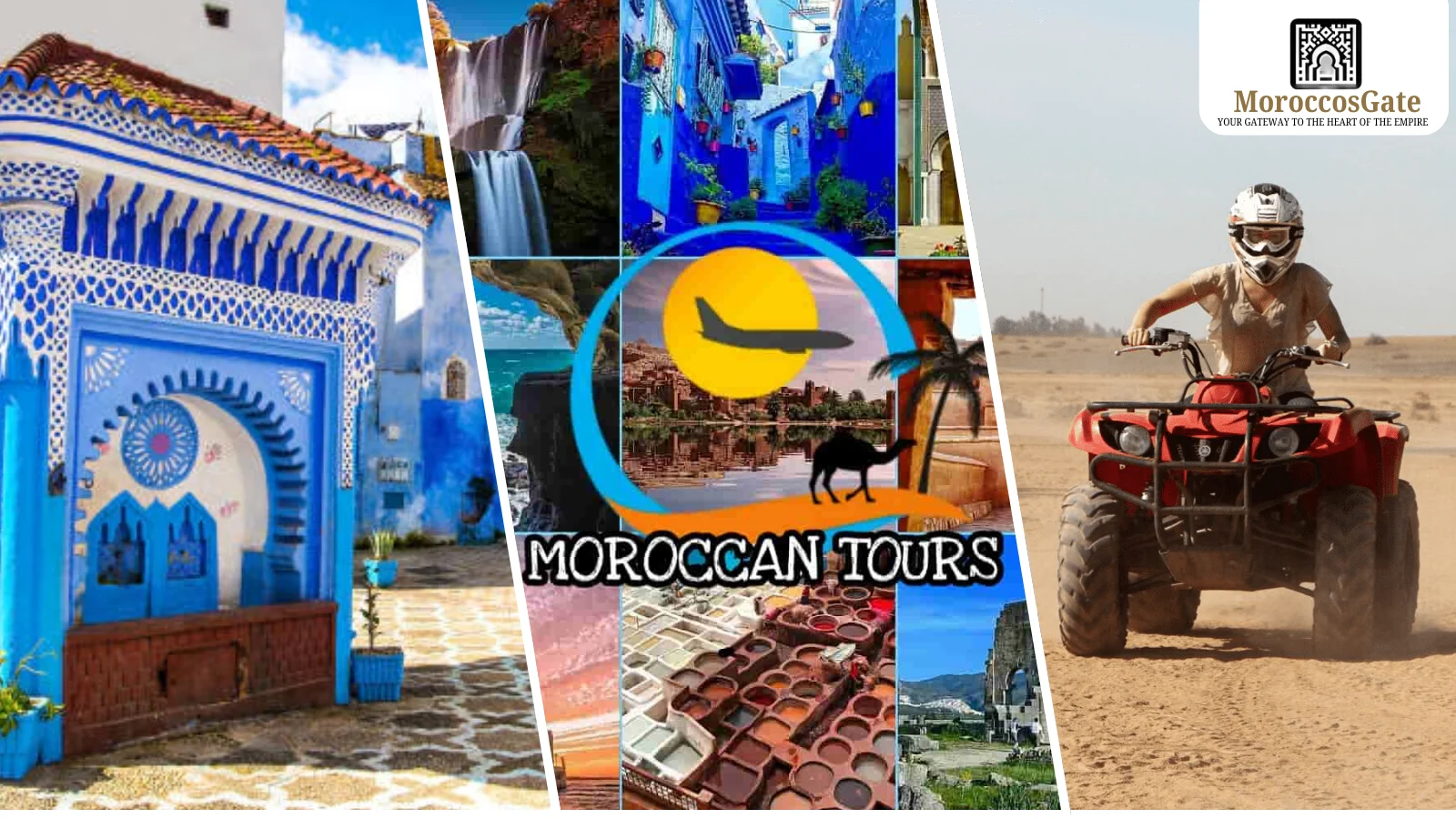
Are You Planning a Trip to Morocco, Here is my First Time Visitor’s Guide to Morocco. Planning a trip to Morocco? Here is the travel guide with everything you need to know before visiting Morocco. I had recently visited Morocco and it was an awesome journey. I would suggest some points which would be essential to keep in mind while travelling to Morocco so that you do not miss the chance of having a great tour. Considering transportation, food, hotels and accommodation I will guide you through all with visiting important places and having a great stay. At the end of this article you will feel confident about planning your own trip to this amazing country. Without further delay let us start our journey to First Time Visitor’s Guide to Morocco. Is a visa required to travel to Morocco? No Visa is not required for the citizens belonging to this country like the United States (US), Canada, The United Kingdom, European Union (EU) Countries, Australia, New Zealand and Many countries which do not require visa if the trip is for less than 90 days. Where is Morocco Located ? Morocco sits in the northwest corner of Africa, just across the Strait of Gibraltar from Spain. Its location is pretty special — it’s on the African continent, yet only a short distance from Europe. Culturally, it’s a rich blend of Arab and Berber heritage, making it a fascinating crossroads between continents and traditions. Are You Planning a Trip to Morocco, First Time Visitor’s Guide to Morocco. Getting to Morocco: Your Travel Options (How to Reach Morocco) There are a couple of easy ways to reach Morocco, whether you’re flying in or arriving by sea. By Plane: Most international visitors arrive by air. The main airport is Casablanca’s Mohammed V International Airport (CMN), which is well-connected to cities around the world. Another popular option is Marrakech Menara Airport (RAK), especially for those planning to explore southern Morocco. Major airlines like Delta, Emirates, British Airways, and Air Canada fly into both. Just note that not all airlines serve both airports — for instance, United Airlines only flies to Casablanca. Some travelers choose to fly into one city and out of another, which is a smart way to cover more ground during your trip. For example, you might arrive in Casablanca and depart from Marrakech. By Ferry from Spain: If you’re already in Europe, especially southern Spain, taking a ferry to Morocco is a scenic and convenient option. The quickest crossings are from Algeciras or Tarifa to Tangier, which take about 60 to 90 minutes. For a longer journey, ferries also run from Barcelona to Tangier, which can take up to 36 hours. You can even bring a car on the ferry, which is useful if you’re planning a road trip in Morocco — just be sure to check the requirements ahead of time. No matter how you choose to travel, getting to Morocco is straightforward and offers a chance to start your adventure in a memorable way. The fastest and most popular routes are from the Spanish ports of Algeciras and Tarifa to Tangier in northern Morocco. These usually take between 60 to 90 minutes. If you’re traveling from Barcelona to Tangier, the journey is much longer and can take anywhere from 28 to 36 hours. If you’re planning to drive in Morocco, you can even bring your car on the ferry. Just keep in mind that this requires a bit of extra preparation, especially with paperwork and logistics. Are You Planning a Trip to Morocco, First Time Visitor’s Guide to Morocco. Getting Around Morocco: Trains, Buses, and Taxis Trains Morocco has a reliable and comfortable train system that connects major cities in the north, such as Casablanca, Rabat, Fez, and Tangier. Trains are usually on time and offer a budget-friendly way to travel between cities. Buses Buses are available throughout the country, operated by both public and private companies. They are an affordable option, but can be slow and crowded, especially on busy routes. For shorter trips, buses might not be the best choice. Taxis Taxis are a common and convenient way to get around. There are two types: Petit Taxis: Small city taxis that carry up to three passengers. They’re widely available and ideal for short trips within a city. Grand Taxis: Larger shared taxis used for travel between towns or for longer distances. Taxis are often the fastest and easiest way to get around, especially in urban areas. Grand Taxis Grand taxis are larger cars that can hold up to six passengers. While they can be used for getting around within a city, they’re mainly used for longer trips between cities and towns. They’re shared with other passengers unless you pay for the whole vehicle. Ride-Hailing Apps Morocco doesn’t have Uber, but there are local ride-hailing apps available in some areas. In major cities like Marrakech, you can use apps like Heetch and Roby to book a taxi. In other cities, Careem is a popular option. If you’re staying at a hotel or Riad, the staff can often help arrange a private car or driver for you. Domestic Flights For longer distances between major cities like Casablanca, Marrakech, and Agadir, domestic flights can save time. Royal Air Maroc and Air Arabia Maroc offer regular routes across the country, making it easy to cover large distances quickly and comfortably. Best Time to Visit Morocco The ideal time to explore Morocco is during the spring (March to May) and fall (September to November). During these months, the weather is pleasant—neither too hot nor too cold—and the crowds are smaller compared to the busy summer season. If you’re planning a spring visit, it’s a good idea to check the dates for Ramadan, as it may affect your travel experience. For reference, we visited in early June and found the weather to be beautiful and the tourist spots refreshingly uncrowded. Are You Planning a Trip to Morocco, First Time Visitor’s Guide to
From Sea Breeze to Sand Dunes: Morocco’s Epic Road Trip Journey
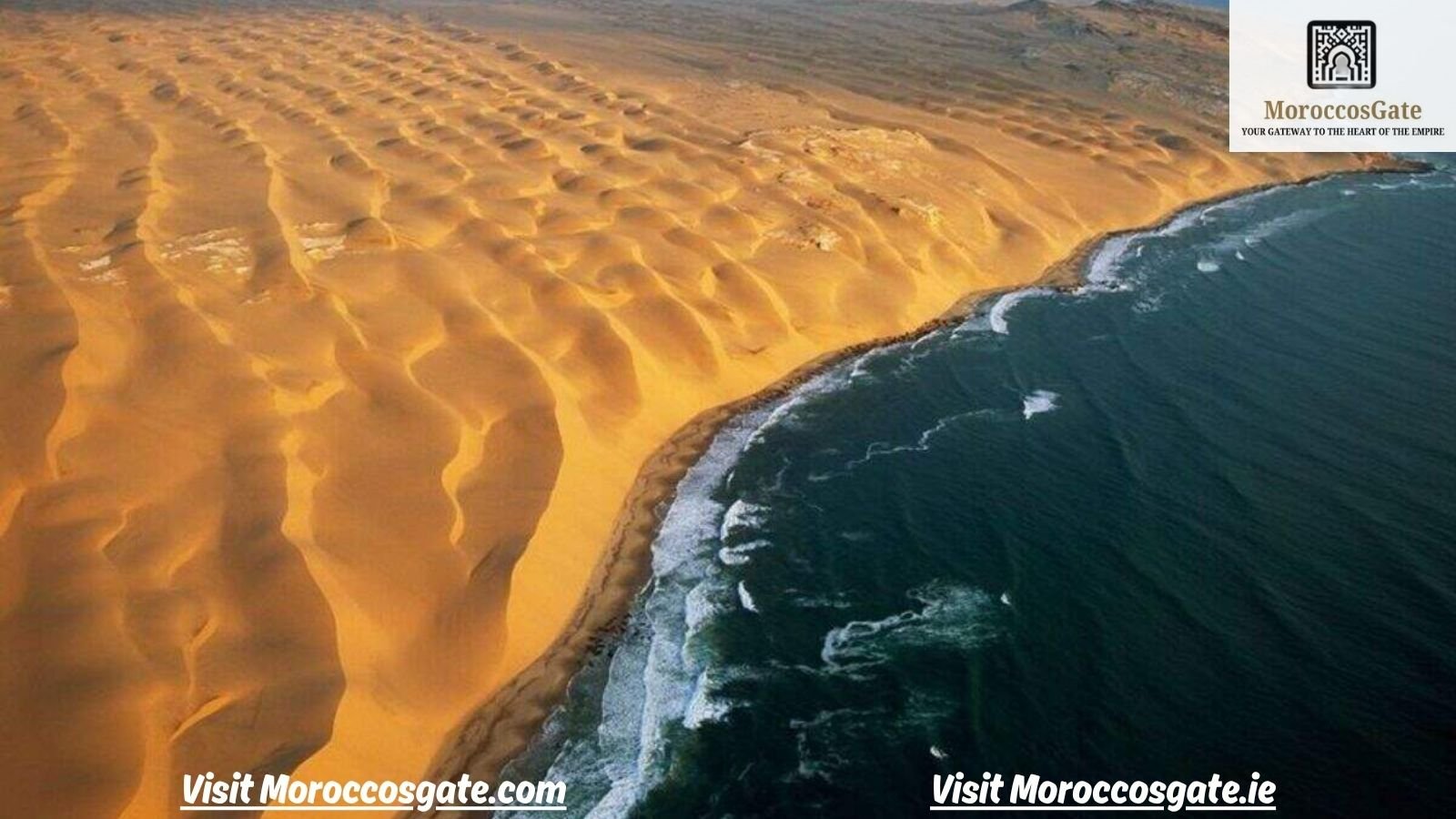
The Ultimate Road Trip – Atlantic Coast to the Desert A road trip from Morocco’s Atlantic coast to the desert is one of the most unforgettable ways to explore the country. You’ll move through shifting landscapes—from breezy beaches to ancient cities, lush valleys, and finally, endless dunes. This journey offers not just a change in scenery, but a deep connection to Morocco’s heart. 👉 Click Here to explore hotels and guesthouses along this beautiful route. 🏖️ Starting on the Coast: Casablanca to Essaouira Begin your road trip in Casablanca, Morocco’s modern coastal city. Take time to visit the Hassan II Mosque, then follow the road south to charming Essaouira, known for its sea views, fishing boats, and whitewashed medina. In Essaouira: Stroll the ramparts and seaside markets Try grilled seafood by the harbour Relax in a laid-back café with mint tea Continue your drive through Agadir, a resort town with wide beaches and modern comforts, before heading inland. 👉 Click Here to book coastal stays with easy beach access. 🏞️ Into the Mountains: Taroudant and the High Atlas As the ocean fades in your rear-view mirror, the route takes you toward Taroudant, often called “Little Marrakech” for its walled medina and vibrant souks. Next, drive up into the High Atlas Mountains. The winding roads are lined with views of snow-capped peaks (in winter) and green valleys. Take a rest stop in Taliouine, famous for saffron fields, or Taznakht, known for Berber carpets. Highlights in this stretch: Rug markets and kasbah ruins Villages with warm hospitality Clear skies and fresh mountain air 🏜️ Entering the Desert: Zagora and Beyond The final leg brings you to Morocco’s edge—the desert region around Zagora and M’Hamid. Here, roads become quieter, skies stretch endlessly, and you’ll see palm groves, mudbrick villages, and rocky plateaus. In the desert: Ride a camel into the dunes at sunset Sleep in a traditional desert camp Stargaze under skies untouched by city light 👉 Click Here to stay in authentic desert camps or kasbah-style hotels. 🛣️ Tips for Your Road Trip Adventure Total Distance: Roughly 1,000 km (can be spread over 7–10 days) Best time to go: March to May or September to November Car rental: Choose a reliable 4×4 if you plan to go deep into desert terrain Fuel stops: Plan ahead, especially past Taroudant Navigation: Google Maps works well, but keep offline maps just in case This Atlantic coast to the desert road trip lets you explore Morocco beyond the tourist trail—on your own terms.
Planning a Morocco Vacation? Here’s Everything You Need to Know Before You Go
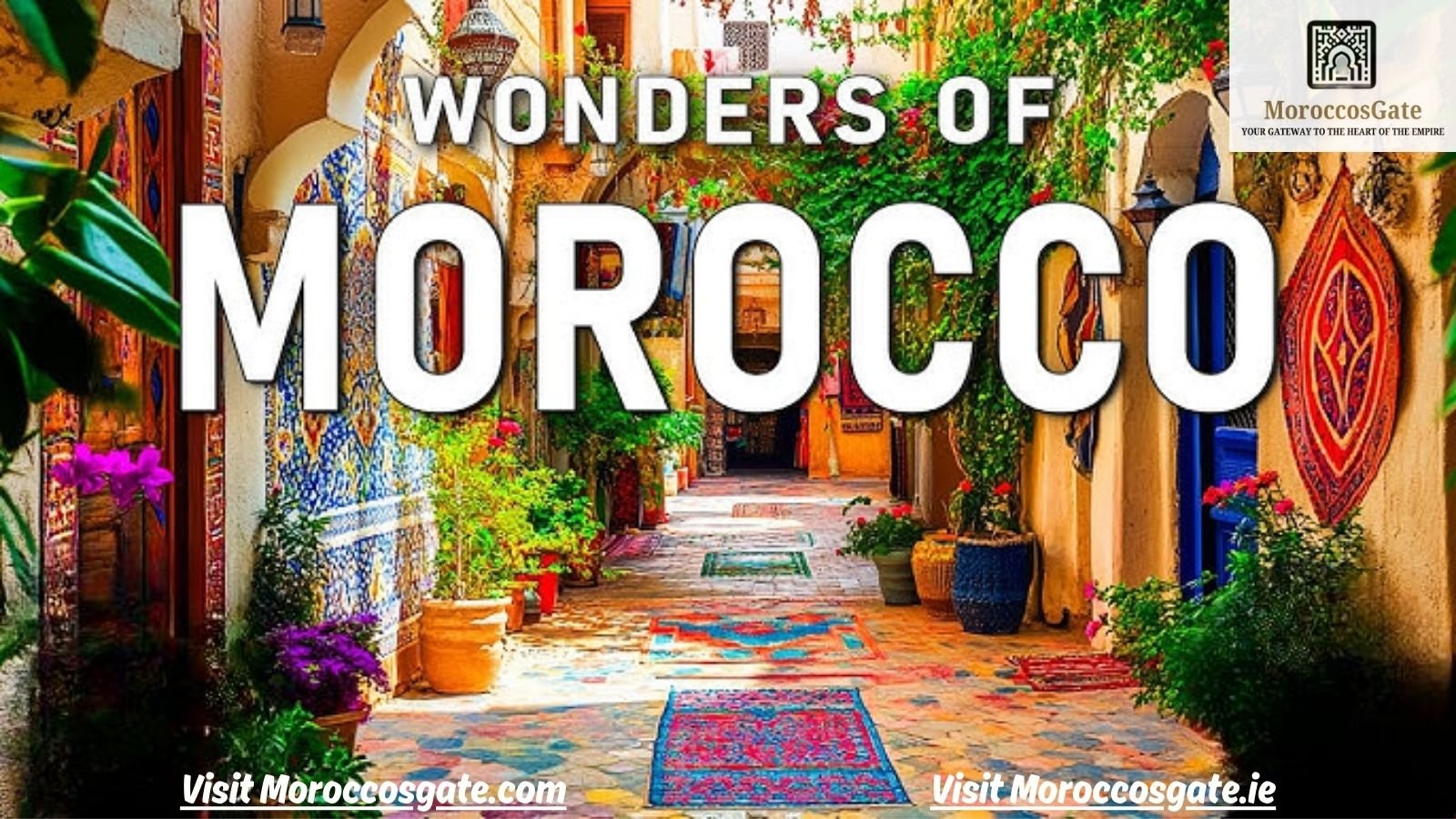
Why Choose a Morocco Vacation? A Morocco vacation offers the perfect mix of adventure, culture, and relaxation. From the winding alleys of Marrakech to the peaceful shores of Essaouira, Morocco is a place where ancient tradition meets vibrant modern life. Whether you’re craving bustling souks or tranquil mountain hikes, this North African gem has something for every type of traveller. 👉 Click Here to book your ideal Moroccan accommodation. Explore Cities Full of Life and Colour Start your trip in Marrakech with its lively medina, rooftop cafes, and artisan shops. Then take the train to Fes, a city known for its spiritual energy and historic architecture. Don’t miss out on Rabat’s calm elegance or Casablanca’s Art Deco charm. Each city has a unique rhythm. A Morocco vacation lets you experience everything from chaotic markets to peaceful riads. Discover the Coast and Mountains Morocco’s coastline is a haven for sun-seekers. Head to Agadir for long beaches and resorts, or Essaouira for chilled-out vibes and fresh seafood. Surfers love Taghazout, a laid-back fishing village with perfect waves. Fancy the mountains? The High Atlas offers scenic treks and Berber hospitality. The Rif Mountains in the north are equally stunning, especially around Chefchaouen—the famous blue-painted town. 👉 Click Here to find stays near Morocco’s scenic coastal towns. Moroccan Cuisine: Flavour in Every Bite Food in Morocco is packed with spice and soul. Enjoy slow-cooked tagines, warm flatbreads, and bowls of fluffy couscous. Street vendors sell everything from grilled meats to sweet pastries. Don’t forget the mint tea—served hot, sweet, and always with a smile. If you’re a foodie, your Morocco vacation will be full of flavour. Markets, Music, and Moments Visit the souks to shop for leather bags, silver jewellery, and handmade ceramics. Each market is a feast for the senses, with colours, scents, and sounds that linger in your memory. In the evenings, enjoy live music, street performances, and local storytelling. A Morocco vacation isn’t just about sightseeing—it’s about soaking in the atmosphere. 👉 Click Here for exclusive offers. Practical Travel Tips for First-Timers Use trains and buses – They’re reliable and cheap. Stay in a riad – A traditional guesthouse for an authentic experience. Learn basic French or Arabic – It helps in local shops and cafes. Respect local customs – Dress modestly and be polite. Avoid guided tour traps – Research and read reviews before booking. Plan well, and your Morocco vacation will be both smooth and unforgettable.
Moroccan Street Food Delights: Bold Flavours You’ll Never Forget
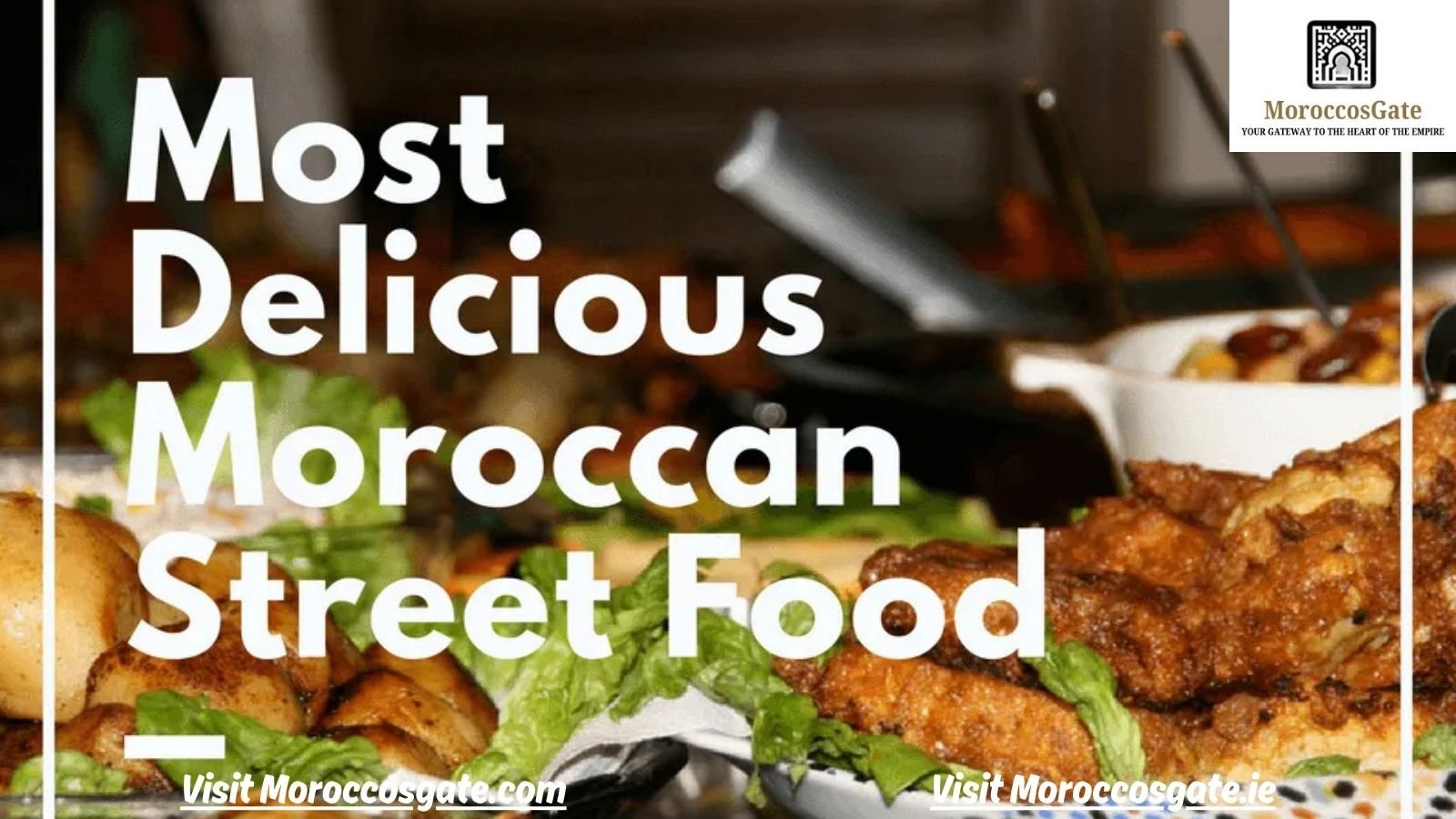
Morocco is known for its colourful culture, warm hospitality, and rich flavours—and nothing captures this better than Moroccan street food. Whether you’re wandering through the buzzing lanes of Marrakech or exploring a quiet square in Fes, the smell of sizzling grills and fragrant spices fills the air. For food lovers, street food is more than just a quick bite—it’s a delicious way to experience Moroccan life up close. Here’s what you can expect on your journey through Morocco’s vibrant food stalls. Get your skin safety first. Kefta – Smoky Grilled Meat Skewers Kefta ranks among Morocco’s most beloved street foods. Vendors season minced meat with cumin, paprika, and parsley, then grill it over open flames until it turns juicy and slightly charred. At roadside grills or smoky market corners, they serve kefta with fresh flatbread, onions, and spicy harissa sauce. Consequently, this fast, filling dish bursts with flavor. 👉 Click Here to book stays near Morocco’s best food markets. Maakouda – Crispy Potato Cakes That Delight Locals adore maakouda, and for good reason. Chefs mash potatoes, spice them, and shape them into small cakes before deep-frying them to a golden crisp. The result? A fluffy interior with a crunchy exterior. Often, vendors tuck maakouda into sandwiches with salad and sauce, creating a budget-friendly snack that feels like a warm hug with a Moroccan twist. Msmen – Flaky Flatbread with a Buttery Kick Msmen, a layered flatbread, captivates with its texture. Vendors pan-fry it until golden and serve it warm—sometimes plain, other times stuffed with cheese or drizzled with honey. In the morning, you’ll spot griddle masters flipping msmen with precision. For a perfect start to your day, pair it with mint tea. Alternatively, sweet-toothed travelers can try melwi, a coiled cousin often sprinkled with sugar. 👉 Click here to find hotels near traditional breakfast spots. Harira – Morocco’s Heartwarming Soup Harira, a tomato-based soup, blends lentils, chickpeas, noodles, and spices into a hearty dish steeped in tradition. During Ramadan, its popularity soars, but vendors sell it year-round. They often pair it with dates or sweet pastries, ensuring a bowl of harira fills your stomach and warms your soul for hours. Chebakia – Sweet Sesame Pastries No street food journey skips Morocco’s sweets. Vendors craft chebakia by frying flower-shaped pastries and coating them in honey and sesame seeds. The sticky, crunchy, fragrant treat delights the senses. Similarly, you’ll find sellou, a nutty, crumbly snack, at festivals and markets, adding variety to your sweet explorations. Fresh Grilled Sardines by the Coast Near the coast, vendors elevate sardines to an art form. They marinate the fish in chermoula—a zesty mix of herbs, spices, and lemon—then grill it fresh on the spot. Served with bread and salad, this dish delivers simple, seaside perfection. 👉 Click here to discover food-friendly coastal accommodation. Tips for Savoring Moroccan Street Food Safely To fully enjoy your street food adventure, follow these tips: Choose busy stalls: Locals flock to spots with fresh, high-quality food. Go vegetarian for a safer stomach if you’re unsure about meat quality Pack wipes or tissues: Many stalls skip cutlery, so come prepared. Stay hydrated: Balance spicy flavors with plenty of water. By embracing these dishes and tips, you’ll dive headfirst into Morocco’s vibrant street food scene, where every bite tells a story of culture and flavor.
Luxury Travel in Morocco: Discover Opulence in Every Corner
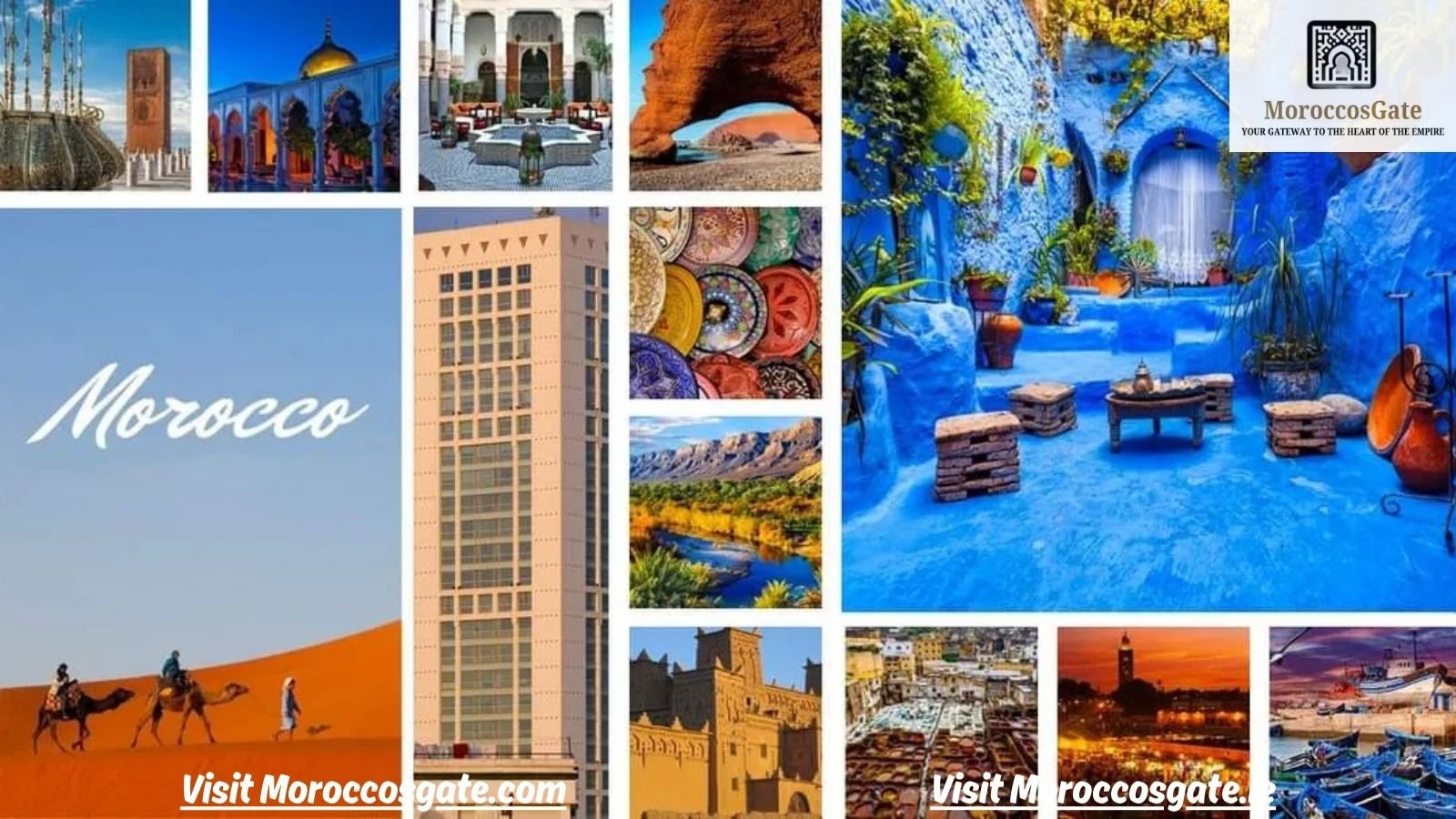
When people think of luxury travel Morocco, images of opulent riads, stunning desert views, and private city tours come to mind. Morocco offers a unique blend of lavish comfort and rich cultural immersion. Whether you’re sipping mint tea in a tiled courtyard or staying in a private villa near the coast, luxury in Morocco feels personal and magical. Elegant Places to Stay The charm of Morocco lies in its beautifully restored riads and high-end resorts. These accommodations are full of character—think intricate tilework, peaceful fountains, and rooftop terraces with sweeping views. Many luxury travellers opt for boutique riads in Fes and Marrakech, where the service is intimate and the ambience unforgettable. Want something coastal? Opt for a seaside villa with a private chef and pool. For the best hotel and riad booking options, 👉 Click Here. Private Experiences That Impress Luxury is more than just where you stay—it’s how you experience the country. Imagine a private guide showing you hidden corners of Marrakech, or a chauffeured trip through the winding roads of the Atlas Mountains. Whether it’s camel rides at sunset or a spa day with argan oil treatments, luxury travel Morocco is about comfort and exclusivity. Custom tours tailored to your interests can elevate your trip from enjoyable to extraordinary. For Taxi Service Fine Dining and Flavours Moroccan cuisine is a feast for the senses. Fine dining restaurants in cities like Casablanca and Rabat are known for blending tradition with modern flair. You’ll find gourmet versions of tagine, couscous, and pastries, often served with local wines or freshly brewed mint tea. For a more immersive experience, book a private cooking class with a local chef in a traditional courtyard. These experiences offer a real taste of Moroccan hospitality. Want to book your culinary stay? 👉 Click Here. Stylish Shopping and Souvenirs Shopping in Morocco is anything but ordinary. High-end souks and artisan boutiques offer luxury rugs, leather goods, hand-painted ceramics, and gold jewellery. Cities like Marrakech and Tangier are known for their curated shops that cater to stylish travellers. Take your time to browse and bargain politely—many shopkeepers are open to fair negotiation. Always ask for authenticity certificates when buying high-value items. Drop out your destination, just book a ride. Relaxation in Private Settings From hammams with marble interiors to mountain resorts offering yoga retreats, Morocco is ideal for travellers who want to unwind in a luxurious setting. Look for spa packages that include massage, aromatherapy, and herbal treatments—all inspired by age-old Moroccan rituals. Even in the middle of a bustling city, you’ll find peaceful enclaves designed to help you switch off and recharge. Don’t waist time, book taxi in advance. Seamless Transport for Comfort Luxury travel also means smooth movement between cities. Hire a private driver to explore at your own pace or take the high-speed train connecting major cities comfortably. Many upscale hotels offer airport pickup and chauffeur services, which make the journey even more stress-free. Looking for the exclusive offers? 👉 Click Here.
A Budget Traveler’s Honest Guide to Morocco
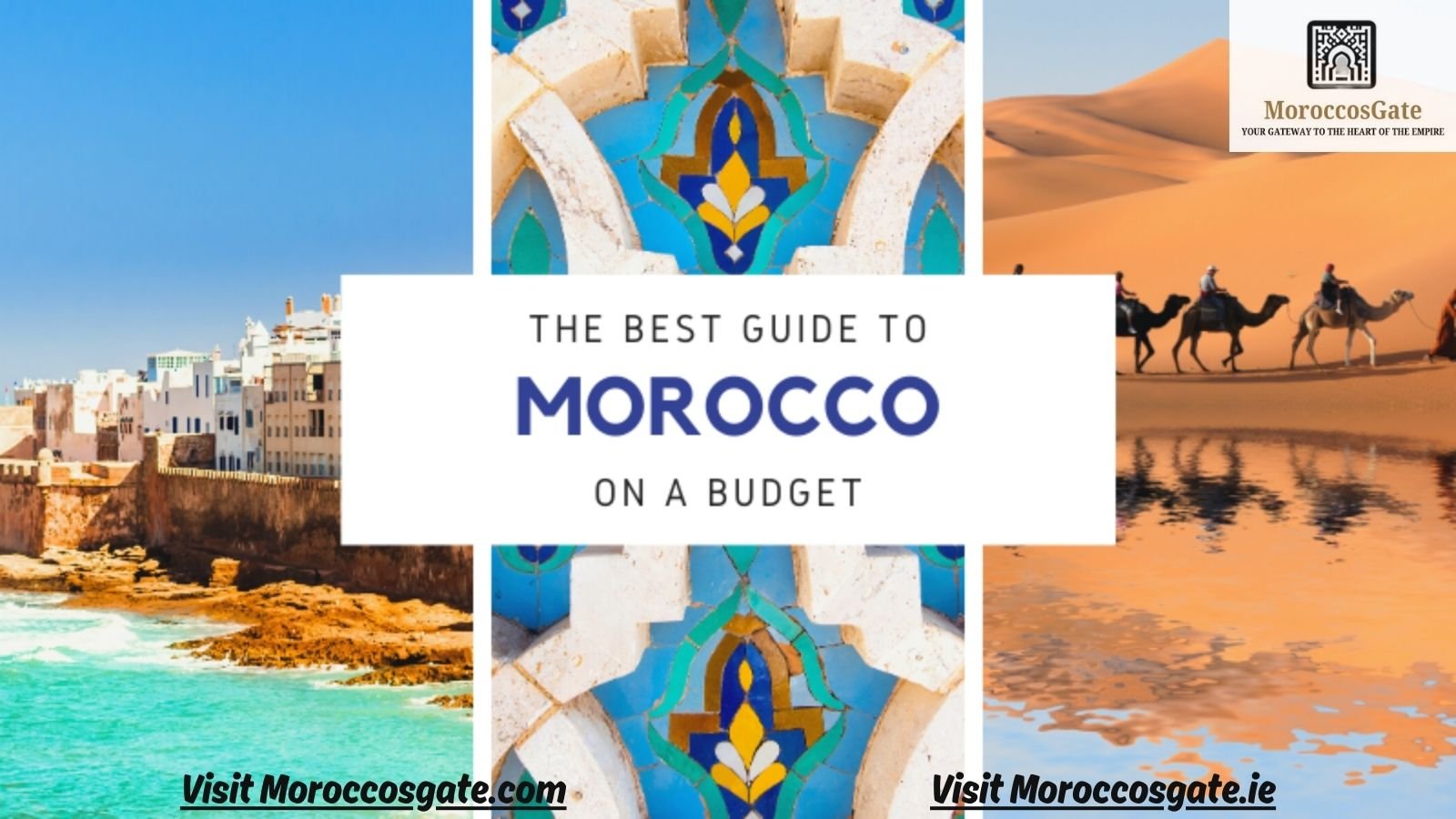
Recently, my friend travelled to Morocco. She was very excited to explore the country’s rich culture and diversity. Morocco had fascinated her for a long time, ever since she saw a photo of the Marrakech Medina. What she saw there was unlike anything she had experienced before—bright colors everywhere, fabrics with beautiful patterns, and spiced couscous served in colorful clay pots. It felt like a different world, full of beauty and mystery. Many travelers can relate to her experience. It’s easy to be drawn in by Morocco’s charm. From old historical sites to windy beaches and peaceful riads, the country offers so much for those who love to explore. Listing her experiences below and tips for you: The Food – Tasty but Sometimes Overhyped The food in Morocco is generally good. While some travelers describe it as amazing, she felt that might be a bit of an exaggeration. Most meals were decent, though after a few days the dishes started to feel a bit repetitive. Markets are a great place for fresh produce, and if you have access to a kitchen, self-catering can be both fun and cheap. Transport – Cheap and Reliable Morocco is easy to get around. CTM and Supratours buses are budget-friendly, well-organised, and comfortable. They are a great option for long-distance travel. The train system is also good. Since there’s only one main rail line to manage, it’s simple and efficient. Trains connect big cities like Casablanca, Rabat, and Marrakech comfortably and quickly. 👉 Need help finding accommodation before or after your trip? Click Here. Hospitality – Always Warm and Welcoming One of the best parts of budget travel in Morocco is the warm hospitality. In almost every hotel, hostel, cafe, and restaurant, you’ll find kind and helpful people. Locals are friendly too. Most of them are happy to offer directions or have a quick chat. The vibe is often fun and relaxed, with lots of good humor along the way. 👉 Looking for the best hotel deals? Click Here. Budget-Friendly Accommodation Private rooms in hostels are quite affordable. Many places are clean, well-located, and include breakfast. This makes budget travel in Morocco easier for solo travelers or couples trying to save money. Always read reviews before booking, and don’t hesitate to ask for recommendations from fellow travelers or locals. Morocco’s Natural Diversity Morocco is one of the most geographically diverse countries you’ll ever visit. In one trip, you can experience: The Atlantic Ocean The Mediterranean Sea The Atlas Mountains The Rif Mountains This mix of landscapes makes the country perfect for adventurers, photographers, and nature lovers. Coffee, Tea, and Photography The coffee in Morocco is strong and flavorful. But the mint tea? Easily the best in the world. Sweet and fresh, Moroccan tea is served everywhere—from cafes to family homes. If you’re into photography, bring your best gear. The colors, textures, and people make Morocco a photographer’s dream. You’ll find picture-perfect scenes in every corner, from mountain villages to seaside towns. Practical Tips for First-Timers Here are a few simple but important tips to make your trip smoother: Use Al Barid Bank ATMs They are usually located outside post offices and don’t charge withdrawal fees. Avoid Medina Hassles in Marrakech Instead of walking through the medina, go around its walls. It’s less stressful, especially for first-time visitors. Don’t Engage Random Strangers If someone approaches you with “Where are you from?”, it’s usually a hustle. Just keep walking. Use earphones to avoid being stopped. Taxi Tips Always ask the driver to turn on the meter. If they don’t, get out. Or better yet, use the Careem or InDrive app for fair pricing and no hassle. Learn a Little French Knowing basic French helps, especially when shopping in the souks or negotiating prices. 👉 Searching for family-friendly stays? Click Here. Final Thoughts Morocco offers adventure, culture, and affordability in one package. While not everything is perfect, budget travel in Morocco is one of the most rewarding ways to see the country. You’ll meet kind people, eat flavorful food, explore diverse landscapes, and take home beautiful memories. If you plan wisely, stay alert, and keep an open mind, Morocco can give you a travel experience unlike any other—without breaking the bank.