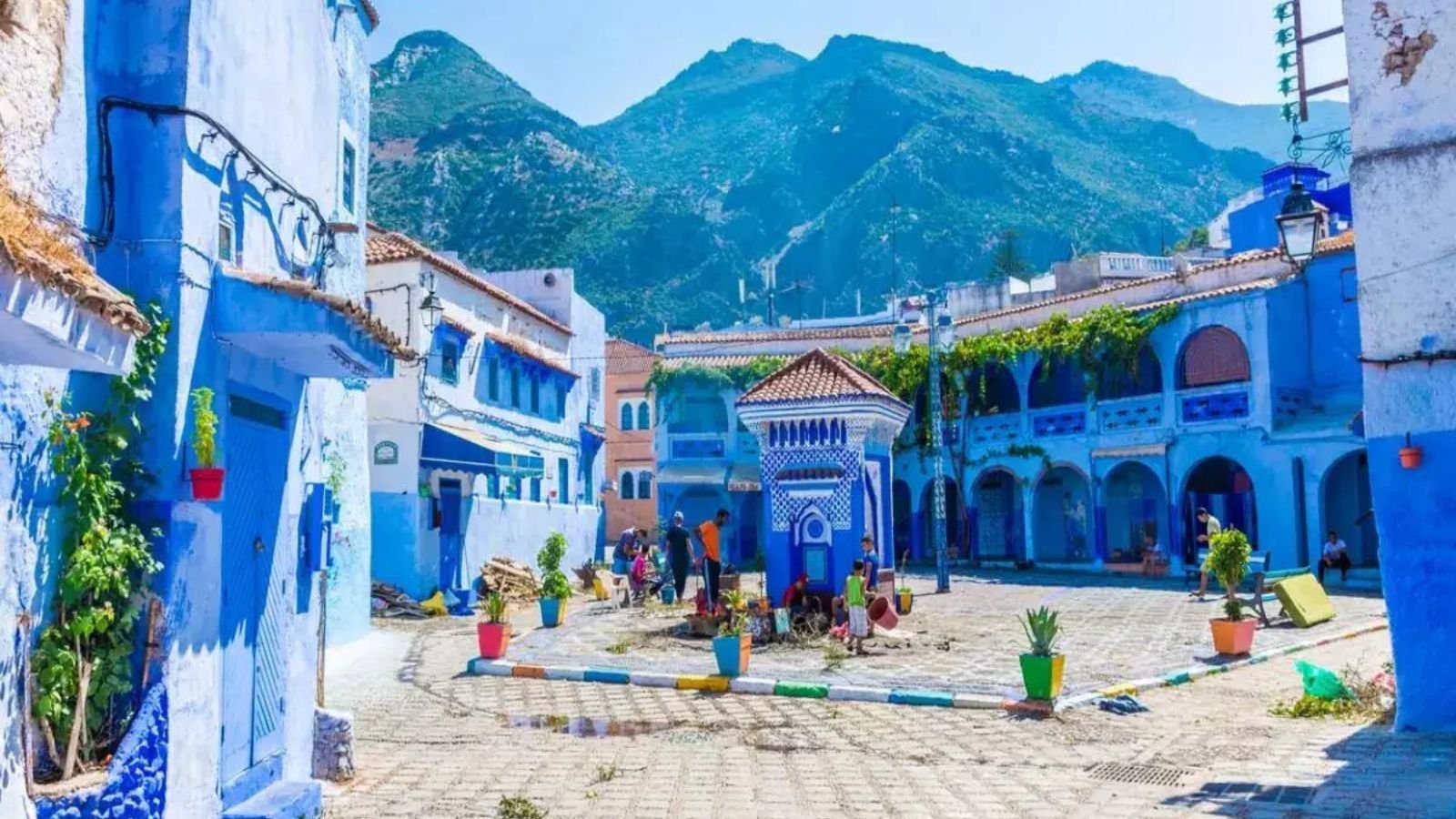
Do You Need Vacation for Morocco? If you’re dreaming of an adventure filled with rich culture, stunning landscapes, and unforgettable experiences, Morocco should be at the top of your travel list. Whether you’re seeking vibrant city life, historical wonders, or peaceful coastal retreats, Morocco has something for everyone. 1. A Cultural Experience Like No Other From the bustling souks of Marrakech to the serene courtyards of ancient palaces, Morocco offers a blend of tradition and modernity that is both captivating and immersive. Strolling through the medinas, you’ll encounter handmade crafts, aromatic spices, and stunning architecture that tell stories of a rich past. 2. The Perfect Getaway for Every Traveler History lovers can explore the ancient ruins of Volubilis or wander through the medieval streets of Fes. Food enthusiasts will delight in Moroccan cuisine, from flavorful tagines to freshly baked bread served with mint tea. Nature seekers can visit breathtaking mountain ranges and tranquil beaches, ideal for relaxation or adventure. 3. Ideal for Relaxation & Adventure Whether you’re looking to unwind in a traditional riad, enjoy a spa day at a luxurious hammam, or embark on thrilling outdoor excursions, Morocco has plenty of options to suit your travel style. 4. Travel Made Easy With a well-connected transportation system, including modern trains and comfortable buses, exploring Morocco is both convenient and affordable. Finding accommodations, rentals, and guided tours is effortless, ensuring a stress-free travel experience. Click here to start planning your dream trip! #MoroccoTravel #VisitMorocco #TravelMore #ExploreMore #BucketListTrip #AdventureAwaits #DreamVacation

Morocco Must-See Itinerary: A Perfect Travel Plan
Morocco is a land of rich culture, vibrant cities, and breathtaking landscapes. Whether you’re visiting for a few days or a couple of weeks, this Morocco Must-See Itinerary ensures you experience the best of the country. 1-2 Day: Arrival in Casablanca & Rabat Begin your journey in Casablanca, where you can explore the stunning Hassan II Mosque, one of the largest mosques in the world. Travel to Rabat, the capital city, to visit Kasbah of the Udayas and the Mausoleum of Mohammed V. 3-4 Day: Fes – The Cultural Heart Wander through the ancient medina of Fes, a UNESCO World Heritage site, and visit the famous Chouara Tannery. Explore the beautiful Al Quaraouiyine University, the world’s oldest university still in operation. 5-6 Day: Chefchaouen – The Blue Pearl Head north to Chefchaouen, known for its picturesque blue-washed streets. Hike to the Spanish Mosque for a panoramic view of the city. 7-8 Day: Marrakech – The Vibrant Hub Immerse yourself in the lively Jemaa el-Fnaa Square, filled with street performances and food stalls. Visit the stunning Bahia Palace, the Majorelle Garden, and the historic Koutoubia Mosque. 9-10 Day: Coastal Charm in Essaouira Experience the relaxed coastal vibe in Essaouira, a charming seaside town with historic ramparts and fresh seafood. Walk along the Skala de la Ville and enjoy the golden beaches. Travel Tips Book your accommodations in advance, especially during peak travel seasons. Shop for authentic handicrafts in local markets and bargain for the best deals. Use public transport or rent a car for easier exploration between cities. Click here to start your journey! #MoroccoTravel #TravelItinerary #ExploreMorocco #Wanderlust #VisitMorocco #BucketList #TravelMore
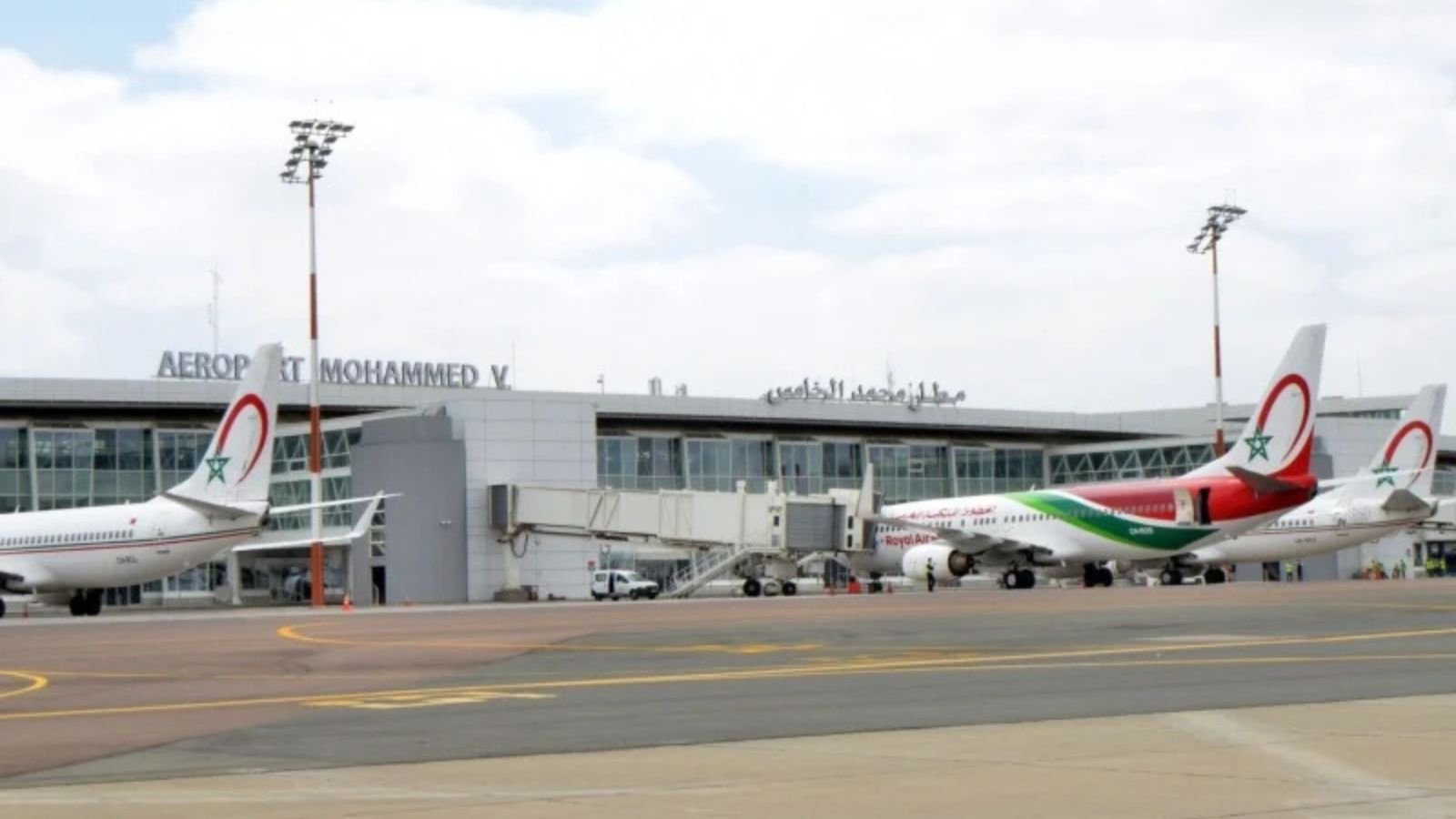
Morocco Airport Casablanca: A Complete Travel Guide
Casablanca’s Mohammed V International Airport (CMN) is the busiest airport in Morocco, serving as the country’s primary international gateway. Whether you’re arriving for a cultural adventure or catching a connecting flight, this airport provides a smooth travel experience with modern facilities and efficient services. Location & Connectivity Located around 30 kilometers (18 miles) south of Casablanca, Mohammed V International Airport is well-connected by road and rail. Travelers can reach the city center in approximately 45 minutes by car or take the ONCF train, which operates between the airport and Casa Voyageurs station in under 40 minutes. Facilities & Services Currency Exchange & ATMs – Multiple currency exchange counters and ATMs are available inside the terminal. Dining & Shopping – The airport has a variety of cafes, restaurants, and duty-free shops offering local and international products. Lounge Areas – Premium lounges are available for travelers seeking extra comfort before their flights. Wi-Fi & Charging Stations – Free Wi-Fi is available throughout the airport, along with designated charging areas. Transportation Options Taxis – Official airport taxis operate 24/7. Always use registered taxis and confirm the fare before starting your journey. Car Rentals – Several international and local car rental services are available at the airport. Public Transport – Trains and buses connect the airport to Casablanca and other Moroccan cities efficiently. Tips for Travelers Arrive at least 3 hours before an international flight to allow enough time for security and check-in. Keep some local currency (Moroccan Dirhams) for small purchases and taxi fares. Stay updated on flight schedules using the airport’s official website or airline apps. Click here to get latest offer! #MoroccoTravel #CasablancaAirport #TravelTips #ExploreMorocco #AirportGuide #FlightsToMorocco #TravelSmart
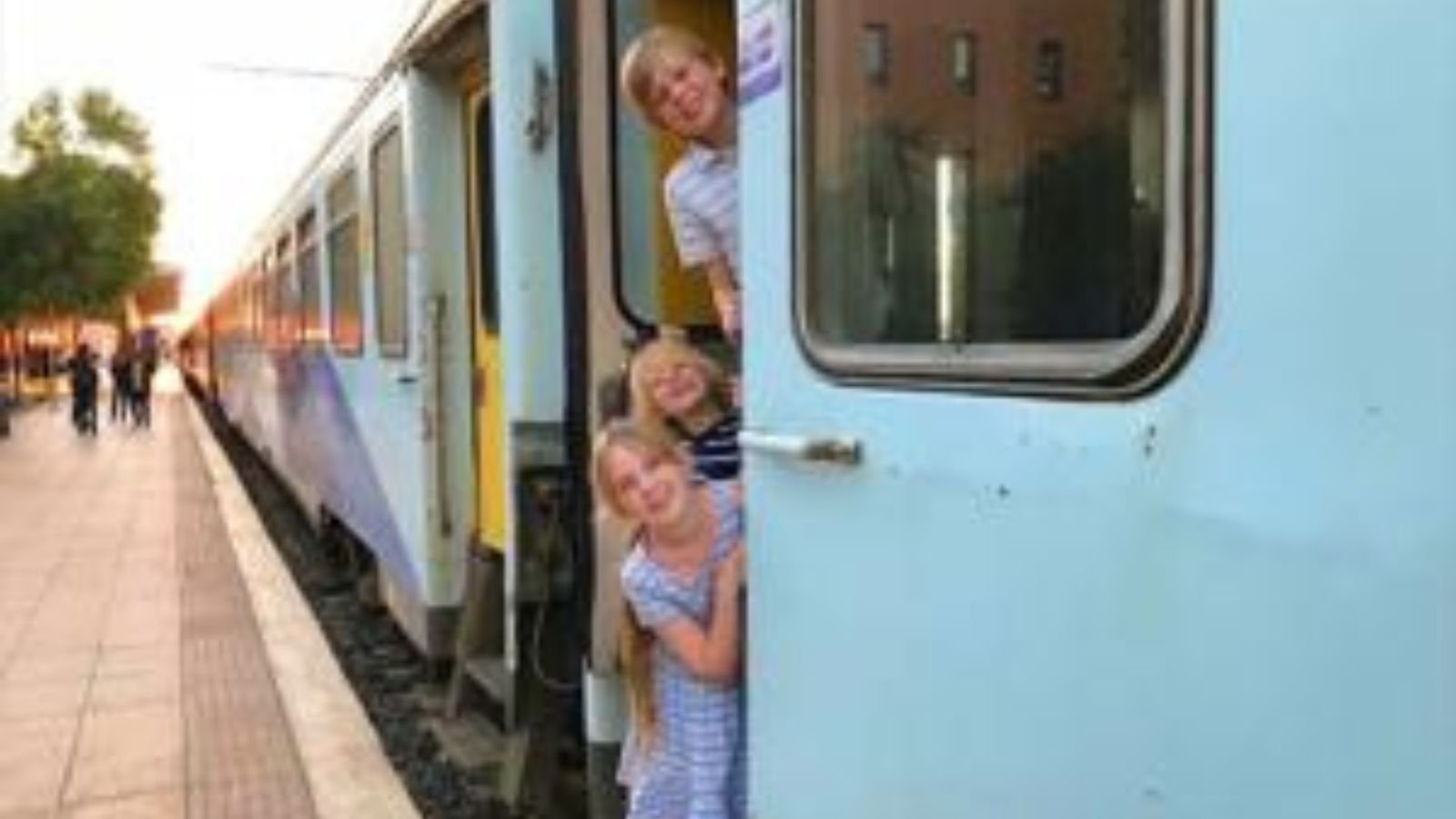
How Long is the Train from Tangier to Marrakech? A Smooth Journey Through Morocco
Traveling between Tangier and Marrakech by train offers a comfortable and scenic way to experience Morocco. Whether you’re looking for a fast and modern ride or a more leisurely journey, the Moroccan rail network has you covered. Train Duration & Options High-Speed Train (Al Boraq): The journey from Tangier to Casablanca takes about 2 hours, and from there, a connecting train to Marrakech takes an additional 3 hours and 30 minutes. In total, expect around 5.5 to 6 hours of travel time. Regular Train: If you opt for the standard train service, the journey takes around 9 to 10 hours, making it a slower but more budget-friendly option. Comfort & Facilities Both high-speed and standard trains offer comfortable seating, air-conditioned compartments, and onboard services, making the trip pleasant for all travelers. Best Time to Travel Trains run frequently throughout the day, but for a more comfortable experience, consider traveling in the morning or late evening when the trains are less crowded. If you’re traveling during holidays or weekends, make sure to secure your tickets early. Booking & Travel Tips It’s recommended to book tickets in advance, especially for the high-speed train, as seats fill up quickly. Depending on your preference, you can choose between first-class and second-class tickets for added comfort. Click here to start your adventure! #MoroccoTravel #TrainJourney #TravelTips #ExploreMorocco #TrainTrip #TangierToMarrakech #Wanderlust
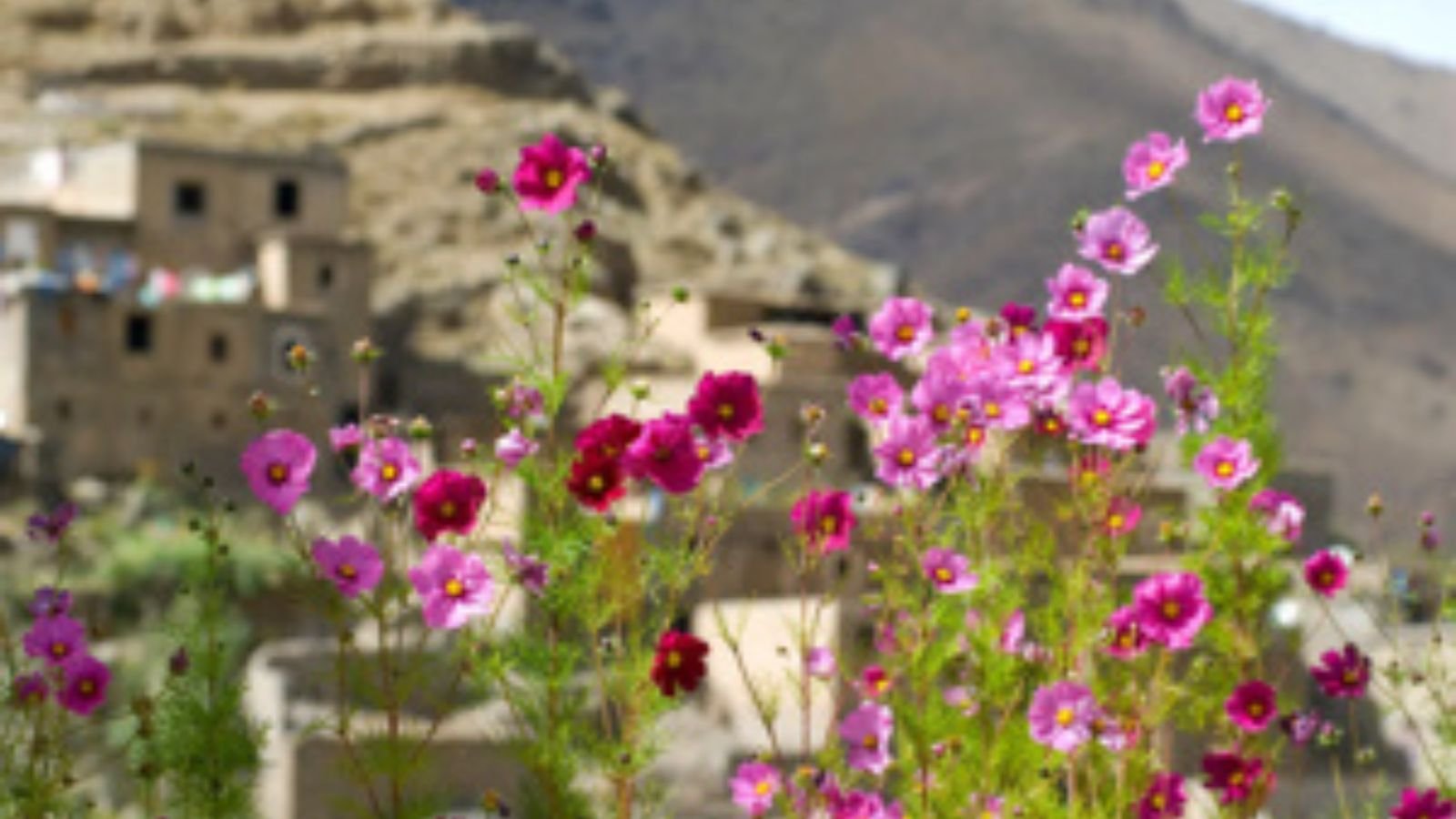
Morocco Good Time to Visit for an Unforgettable Experience
Planning a trip to Morocco? Choosing the right time to visit can make your journey even more enjoyable. Whether you prefer mild weather, cultural festivals, or peaceful sightseeing, Morocco good time to visit and offers a variety of experiences throughout the year. Best Seasons to Visit Morocco Spring (March to May): The weather is pleasantly warm, and nature is in full bloom. It’s a great time to explore bustling cities, coastal towns, and mountain trails. Autumn (September to November): Similar to spring, this season offers comfortable temperatures, making it ideal for discovering Morocco’s historic landmarks and markets. Summer & Winter: What to Expect Summer (June to August): Coastal destinations offer refreshing breezes, while inland regions can be quite warm. It’s a good time for beach lovers and evening city strolls. Winter (December to February): Snowfall in the mountains creates a magical scenery for adventure seekers, while other parts of the country remain mild and perfect for cultural exploration. Festivals and Cultural Highlights Morocco hosts numerous festivals that showcase its vibrant traditions, from music and film events to local celebrations. Timing your visit around these can add a unique charm to your trip. Click here to start your journey! #VisitMorocco #TravelTips #ExploreMore #BestTimeToTravel #MoroccoAdventures #TripPlanning #Wanderlust

What Are the Travel Requirements for Morocco?
What Are the Travel Requirements for Morocco? Planning a trip to Morocco? Understanding the essential travel requirements will ensure a hassle-free experience. From visa regulations to health guidelines, here’s everything you need to know before you go. 1. Visa and Entry Requirements Travelers from many countries, including the US, UK, EU nations, and Canada, can enter Morocco visa-free for stays of up to 90 days. A passport with at least six months of validity beyond your departure date is required. Some nationalities need a visa, so it’s best to check with the Moroccan consulate in your country. 2. COVID-19 and Health Guidelines No specific vaccination is required, but routine travel vaccinations such as Hepatitis A, Typhoid, and Tetanus are recommended. Health regulations may change, so checking the latest updates from official sources before departure is advised. 3. Currency and Payment Methods The Moroccan Dirham (MAD) is the official currency. ATMs are widely available, and credit cards are accepted in many places, but carrying cash is useful, especially in smaller towns and markets. 4. Local Laws and Customs Modest clothing is recommended, particularly when visiting religious sites. Public displays of affection should be minimal in conservative areas. Alcohol is available but is mainly served in licensed restaurants and hotels. 5. Transportation and Connectivity Morocco has a well-connected public transport system, including trains, buses, and taxis. SIM cards with affordable data plans can be purchased for reliable internet access. Start your Moroccan adventure now! Click here to explore travel options. #MoroccoTravel #TravelTips #VisitMorocco #ExploreMore #TravelGuide #AdventureAwaits #BucketList

Traveling Morocco During Ramadan: What to Expect
Ramadan is a unique and spiritually significant time in Morocco. If you’re visiting during this holy month, you’ll experience a different side of the country—one that is slower, more reflective, and deeply cultural. Understanding local customs and planning accordingly will make your trip smoother and more enjoyable at Traveling Morocco during Ramadan. What Changes During Ramadan? Daily Life Slows DownMany businesses, markets, and attractions operate on reduced hours. Expect late openings in the morning and closures in the afternoon before sunset. Food and Dining AdjustmentsRestaurants and cafes may be closed during the day. However, after sunset, the country comes alive with delicious meals like harira soup, dates, and tagines served for Iftar (the evening meal). Respect for Local CustomsEating, drinking, or smoking in public before sunset is considered disrespectful. It’s best to find designated areas or wait until Iftar to enjoy your meal. A Vibrant Evening AtmosphereAfter sunset, the streets light up with families gathering, markets bustling, and a festive energy filling the air. It’s an excellent time to explore Moroccan hospitality. Transportation and SightseeingPublic transport and tours may operate on adjusted schedules. It’s wise to check in advance and be flexible with your plans. Spiritual and Cultural ExperiencesRamadan is a time of prayer and reflection. Visiting mosques, witnessing special night prayers, and joining locals for Iftar can offer a memorable cultural insight. Discover Morocco’s charm during Ramadan! Click here. #Morocco #RamadanTravel #CulturalExperience #ExploreMorocco #TravelTips #HalalTravel #Adventure

Where Does Morocco Get Its Water From?
Water is a vital resource for Morocco, supporting its people, agriculture, and growing tourism industry. With a mix of natural and man-made sources, Morocco has developed a complex water management system to meet its needs. Main Sources of Water in Morocco Rivers and LakesMorocco’s rivers, such as the Oum Er-Rbia, Moulouya, and Tensift, are essential for freshwater supply. They provide water for drinking, irrigation, and hydroelectric power. Dams and ReservoirsThe country has built numerous dams to store and regulate water, ensuring a steady supply during dry periods. These reservoirs help support agriculture and provide drinking water to cities. Groundwater and WellsMany rural areas rely on underground water reserves. Wells and boreholes tap into natural aquifers, ensuring a steady supply for local communities. Rainfall CollectionSome regions use rainwater harvesting systems to collect and store water for household and agricultural use. This method is particularly helpful in drier areas. Desalination PlantsMorocco has invested in desalination technology to convert seawater into freshwater. This growing sector helps supply coastal cities with clean drinking water. Water Recycling and ConservationAdvanced water treatment plants allow for wastewater recycling, which is used mainly for irrigation and industrial purposes, helping to preserve freshwater supplies. Sustainable Water Management in Morocco With increasing demand, Morocco continues to develop new projects focused on water conservation, efficient irrigation, and expanding its desalination capabilities. Explore Morocco and discover its natural beauty! Click here. #Morocco #WaterResources #SustainableLiving #TravelGuide #EcoTourism #ExploreMore #NatureLover
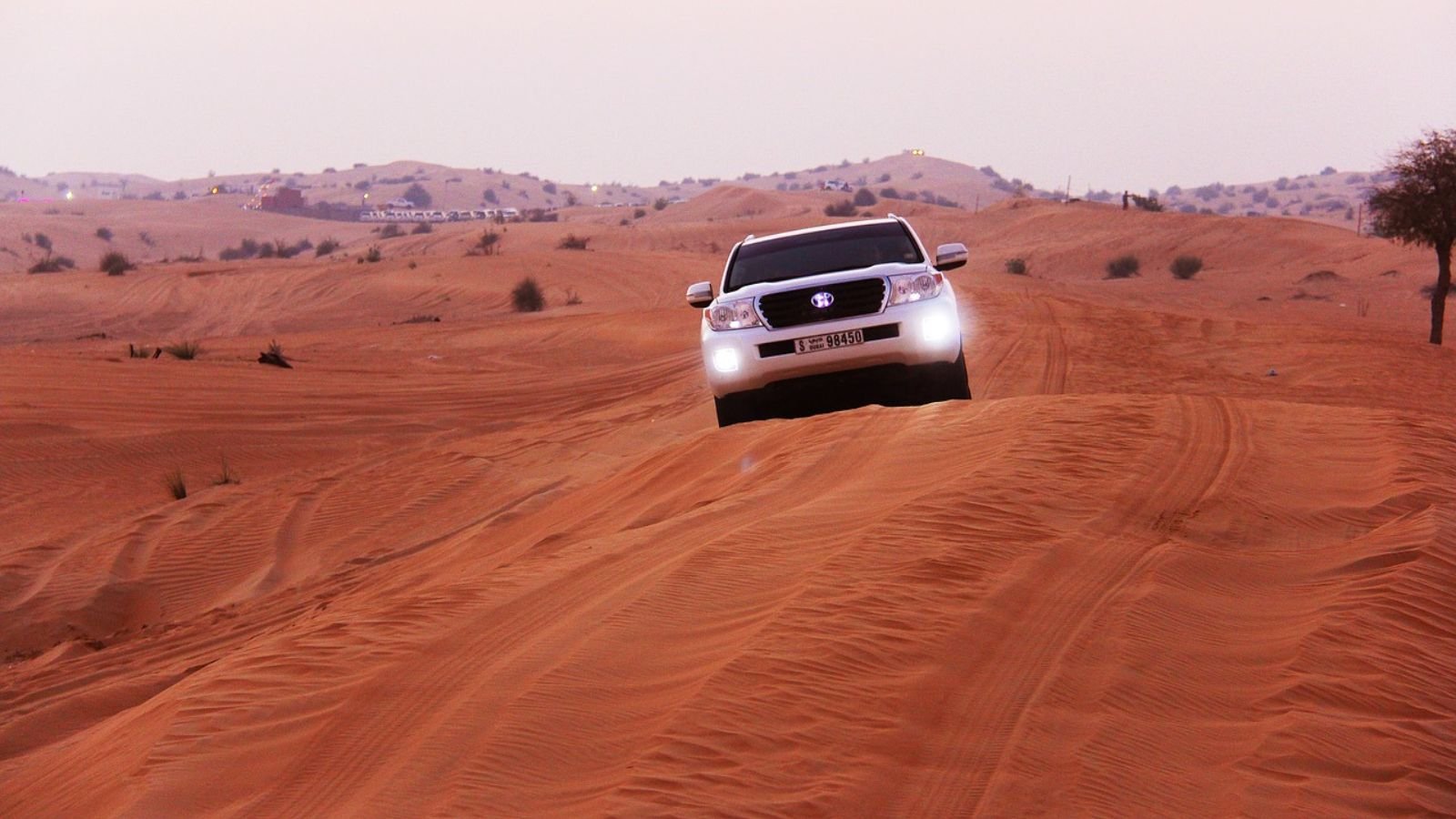
Exploring Morocco Off-Road Routes: A Thrilling Adventure
Morocco is a paradise for adventure seekers, offering a vast network of off-road routes that take travelers through breathtaking landscapes, rugged terrain, and remote villages. Whether you’re an experienced rider or a first-time explorer, these trails offer an unforgettable journey through Morocco’s diverse landscapes. Top Morocco Off-Road Routes to Explore Atlas Mountain TrailsWinding dirt paths through the Atlas Mountains provide spectacular views and challenging climbs. These routes lead you through Berber villages, deep valleys, and high-altitude plateaus. Coastal Cliff TracksThe off-road routes along Morocco’s coastline take you through scenic beaches, hidden coves, and dramatic cliffs, making for a perfect mix of adventure and relaxation. Cedar Forest ExpeditionsTravel through the dense cedar forests of the Middle Atlas, where you can spot native wildlife, including the famous Barbary macaques. The terrain is ideal for off-road biking and 4×4 adventures. Hidden Desert TrailsExperience endless golden dunes and rocky plains as you navigate some of Morocco’s most remote desert tracks. These routes are perfect for off-road driving enthusiasts looking for a challenge. Valley and Oasis PathsCross breathtaking valleys dotted with palm groves, ancient kasbahs, and flowing rivers. These trails are less challenging but equally rewarding for their stunning scenery and cultural encounters. Essential Tips for Off-Roading in Morocco A 4×4 vehicle or off-road motorcycle is essential for tackling rugged terrain. Always carry a GPS or offline map, as some trails lack clear signage. Pack enough water, food, and fuel, as some areas are quite remote. Respect local communities and ask permission before entering private land. Discover Morocco’s incredible off-road routes and start your next adventure! Click here. #MoroccoTravel #OffRoadAdventure #ExploreMorocco #TravelMore #AdventureTime #4x4Travel #HiddenTrails
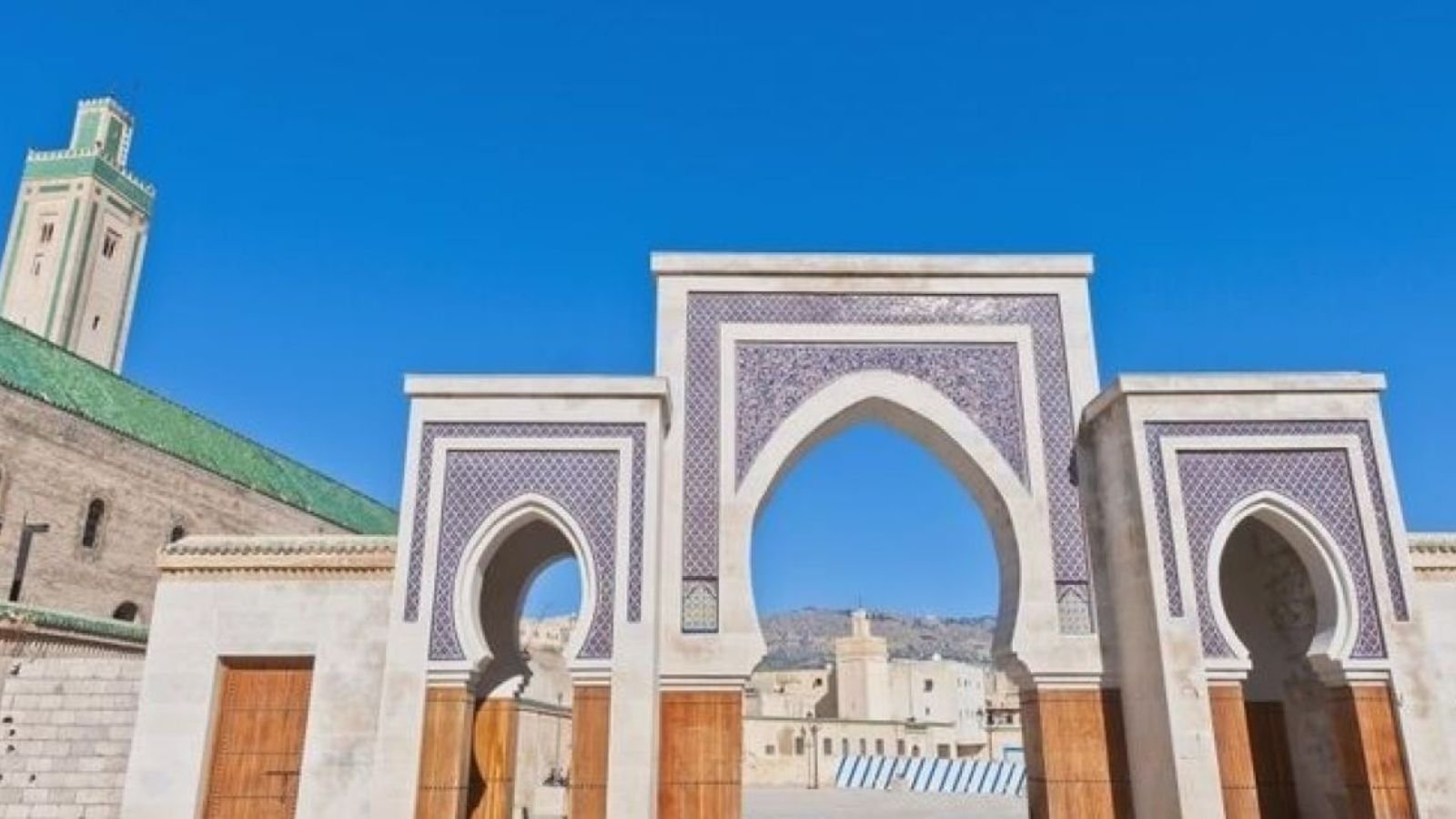
Understanding Morocco Time Prayer: A Guide for Visitors
If you’re visiting Morocco, you’ll quickly notice that Morocco time prayer play an essential role in daily life. From the soothing call to prayer echoing through the cities to the way businesses and activities align with these moments, Morocco’s spiritual rhythm is both fascinating and deeply rooted in tradition. What Are the Five Daily Prayers? Muslims observe five daily prayers at specific times: Fajr – Before sunrise Dhuhr – Midday Asr – Afternoon Maghrib – Sunset Isha – Night These prayer times shift slightly throughout the year, depending on the position of the sun. How Does Prayer Influence Daily Life in Morocco? The Adhan (call to prayer) is heard from mosques across the country, inviting worshippers to pause and pray. Some businesses and markets may briefly close during prayer times, especially during Friday prayers. Travelers can witness locals praying in mosques, homes, or quiet spaces, reflecting Morocco’s strong spiritual culture. Finding Prayer Times in Morocco If you want to keep track of Morocco time prayer, many apps, websites, or even local mosques provide daily schedules. Whether you’re a traveler looking to respect local customs or someone observing prayers, it’s easy to stay informed. Experience Morocco’s rich culture and tradition while planning your perfect trip. Click here to explore exciting travel opportunities! #MoroccoTravel #PrayerTimes #IslamicCulture #VisitMorocco #TravelTips #MoroccanLife #CulturalExperience