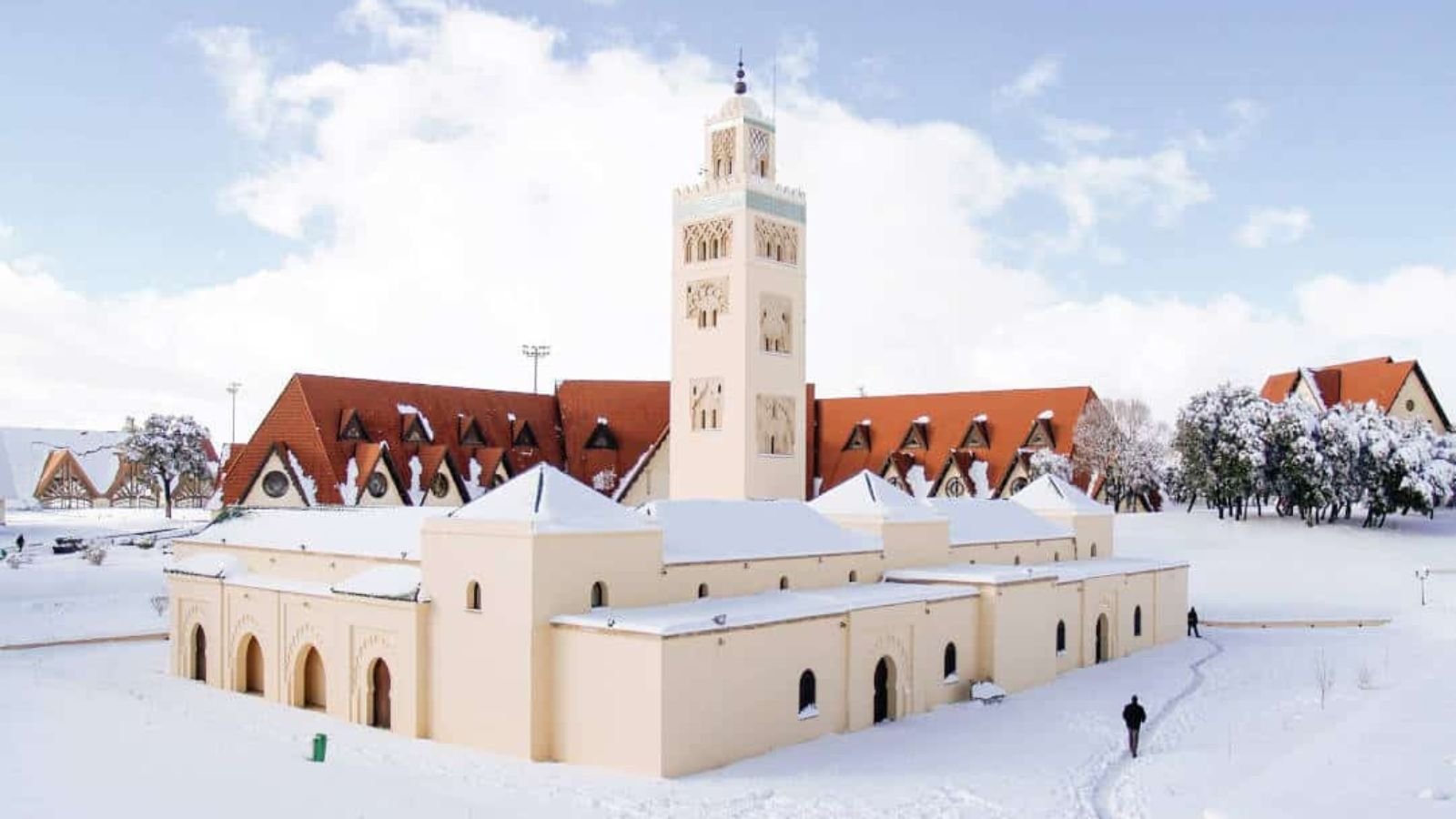
Morocco is a land of contrasts, where winter unveils a different side of its diverse landscapes and cultural richness. Whether you seek snow-capped peaks, vibrant cities, or tranquil coastal retreats, Morocco offers plenty of destinations perfect for a winter getaway. Here are some of the best places to visit during the colder months. 1. Ifrane – The Snowy Wonderland Often called the “Little Switzerland of Morocco,” Ifrane is a charming town known for its alpine-style architecture and snowfall during winter. With its picturesque scenery, crisp air, and opportunities for skiing and snowboarding, it’s a top destination for those who love winter sports and cozy retreats. 2. Marrakech – A Warm Winter Escape While much of the country cools down, Marrakech remains a pleasant retreat with mild temperatures. Wander through the lively souks, admire the beauty of the Majorelle Garden, and indulge in delicious Moroccan cuisine. The city’s vibrant energy, coupled with fewer crowds, makes it an excellent winter destination. 3. Chefchaouen – The Blue Pearl in Winter Winter enhances the serene beauty of Chefchaouen, Morocco’s iconic blue-washed city nestled in the Rif Mountains. The cooler temperatures create a peaceful atmosphere, perfect for exploring winding alleys, enjoying scenic mountain views, and experiencing the city’s relaxed charm. 4. Atlas Mountains – A Paradise for Hikers For adventure lovers, the Atlas Mountains provide breathtaking landscapes covered in snow during winter. Trekking in the region offers stunning panoramic views, and the local Berber villages provide a warm and welcoming cultural experience. 5. Agadir – A Coastal Winter Retreat If you prefer a mild winter by the sea, Agadir is the perfect destination. With its sunny beaches, vibrant promenade, and fresh seafood, this coastal city allows travelers to escape the colder inland temperatures while enjoying a relaxing seaside experience. 6. Fes – History and Culture in the Winter Glow The ancient city of Fes, with its labyrinthine medina and historical landmarks, becomes even more enchanting during winter. The cooler climate makes it easier to explore its cultural treasures, including Al-Qarawiyyin University and the famous tanneries, without the summer heat. 7. Ouzoud Waterfalls – Nature’s Winter Beauty One of Morocco’s most stunning natural wonders, the Ouzoud Waterfalls, remains a breathtaking sight during winter. The misty atmosphere and lush surroundings create a magical setting, making it a great spot for nature lovers and photographers. Best Winter Destinations in Morocco offers a unique travel experience with diverse landscapes, cultural charm, and fewer crowds. Whether you’re looking for adventure, relaxation, or cultural exploration, these destinations provide something special for every traveler. For booking accommodations, transportation, or guided tours, ensure you plan ahead to make the most of your Moroccan winter adventure. –Click here– to explore exclusive travel experiences in Morocco. #MoroccoTravel #WinterDestinations #ExploreMorocco #TravelGuide #WinterVacation #MoroccanCulture #VisitMorocco
Morocco’s Most Picturesque Valleys and Canyons
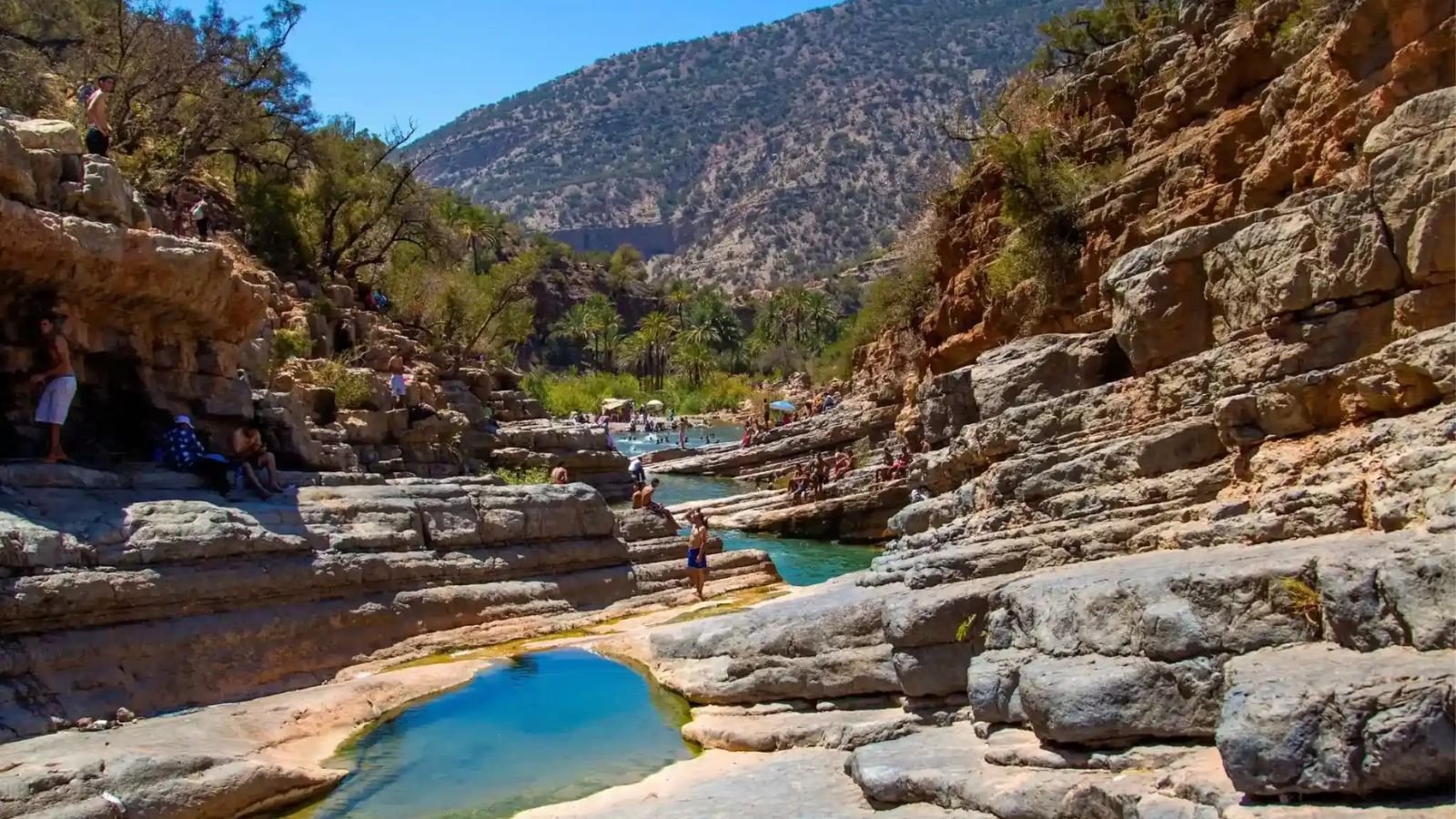
Morocco’s Most Picturesque Valleys and Canyons, offering travelers a glimpse into the country’s diverse landscapes. From lush green valleys to rugged, towering canyons, these natural wonders provide the perfect backdrop for adventure, relaxation, and cultural exploration. Whether you’re a nature lover, a trekking enthusiast, or simply seeking serenity, Morocco’s valleys and canyons will leave you in awe. Dades Valley – The Valley of a Thousand Kasbahs Nestled between dramatic rock formations, Dades Valley is known for its winding roads and impressive kasbahs. The valley offers mesmerizing views, particularly during sunrise and sunset, when the cliffs glow with rich hues of red and orange. Visitors can explore traditional Berber villages, hike along scenic trails, and capture stunning photographs of the rugged terrain. Todra Gorge – A Paradise for Climbers Todra Gorge is one of Morocco’s most spectacular natural wonders. Towering limestone cliffs, rising over 300 meters, create a striking canyon that attracts climbers from around the world. The cool river running through the gorge provides a refreshing contrast to the towering rock formations. Whether you choose to hike, climb, or simply admire the views, Todra Gorge is a must-visit destination. Ourika Valley – A Refreshing Escape Located near Marrakech, Ourika Valley is a popular retreat from the bustling city. Lush greenery, cascading waterfalls, and charming villages make this valley a perfect spot for relaxation and exploration. Visitors can enjoy traditional meals by the riverside, trek to the Setti Fatma waterfalls, or immerse themselves in the region’s rich culture and craftsmanship. Ait Bouguemez – The Happy Valley Known as the “Happy Valley,” Ait Bouguemez is a hidden gem in Morocco’s highlands. Surrounded by snow-capped peaks and fertile lands, this valley offers breathtaking scenery and a peaceful atmosphere. Travelers can visit local farms, interact with Berber communities, and enjoy endless hiking opportunities. The untouched beauty of Ait Bouguemez makes it a true paradise for nature lovers. Ziz Valley – An Oasis of Palms Ziz Valley is an oasis filled with thousands of date palm trees, creating a striking contrast against the surrounding mountains. The valley’s river nourishes the land, resulting in lush greenery and vibrant landscapes. A scenic drive through Ziz Valley reveals picturesque villages, ancient kasbahs, and breathtaking panoramic views. Avenue of the Almond Trees – A Blooming Wonder During the almond blossom season, this valley transforms into a breathtaking spectacle of pink and white flowers. The annual Almond Blossom Festival celebrates this natural wonder with music, dance, and cultural events. Travelers can experience the beauty of nature while indulging in local delicacies made from almonds. Exploring Morocco’s Valleys and Canyons Morocco’s most picturesque Valleys and Canyons offers something unique, from dramatic cliffs to verdant oases. Whether you’re looking for adventure or relaxation, these landscapes provide an unforgettable experience. Planning your trip? Book accommodations, tours, and rentals in advance to make the most of your journey. Click here to explore travel options and start your adventure today! #MoroccoTravel #NatureLovers #AdventureAwaits #ExploreMorocco #ScenicViews #TravelMore #HiddenGems

Traditional Moroccan Festivals and Events
Morocco is a land of rich cultural heritage, where traditions come alive through vibrant festivals and celebrations. These events reflect the country’s deep-rooted customs, music, and spiritual devotion, offering visitors a unique opportunity to experience its authentic charm. Here’s a look at some of the most captivating traditional Moroccan festivals and events that showcase the nation’s cultural essence. 1. Mawlid al-Nabi – The Prophet’s Birthday Mawlid al-Nabi, the celebration of the birth of the Prophet Muhammad, is a significant religious event in Morocco. The streets light up with colorful decorations, and families gather to share special meals. Mosques hold recitations of religious poetry and prayers, creating a deeply spiritual atmosphere. The town of Moulay Idriss Zerhoun is particularly known for its grand Mawlid festivities. 2. Imilchil Marriage Festival A fascinating cultural tradition, the Imilchil Marriage Festival brings together Berber communities for a unique matchmaking event. Young men and women meet in a ceremonial gathering, following centuries-old customs of courtship. Music, dance, and traditional attire make this festival a visually striking and culturally enriching experience. 3. Gnaoua World Music Festival Held in the coastal city of Essaouira, this festival celebrates the spiritual and rhythmic sounds of Gnaoua music. It brings together local musicians and international artists for an electrifying fusion of African, jazz, and blues influences. The streets of Essaouira come alive with mesmerizing drumbeats and hypnotic performances, making it a must-visit event for music lovers. 4. Fez Festival of World Sacred Music This globally recognized festival in Fez brings together artists and spiritual musicians from various cultures. Concerts are held in stunning historical venues, including ancient palaces and gardens. The event promotes unity through music, featuring Sufi chants, Andalusian melodies, and folk traditions from around the world. 5. Moussem of Tan-Tan Recognized as a UNESCO Intangible Cultural Heritage event, the Moussem of Tan-Tan is a gathering of nomadic tribes. It showcases traditional poetry, camel parades, and folk dances, reflecting the deep cultural roots of Morocco’s nomadic communities. This festival is an important event for preserving oral traditions and customs. 6. Rose Festival in Kelaat M’Gouna Every spring, the town of Kelaat M’Gouna celebrates the blooming of its famous rose fields. The festival includes a vibrant parade, traditional music, and markets selling rose-based products such as perfumes and essential oils. It’s a fragrant and colorful event that attracts visitors from all over the world. 7. Date Festival in Erfoud The Date Festival in Erfoud marks the annual date harvest season. Visitors can enjoy folklore performances, camel races, and exhibitions of date-based delicacies. This festival highlights the agricultural significance of date palms in Moroccan culture and economy. Experience Morocco’s Cultural Celebrations Attending these traditional Moroccan festivals and events offers a deeper connection to the country’s heritage, music, and community spirit. Whether you’re drawn to religious ceremonies, music festivals, or cultural gatherings, Morocco’s festivities promise unforgettable experiences. For those planning their visit, there are many options available for accommodations, rentals, and shopping for traditional Moroccan goods. – Click here – to explore more and enhance your Moroccan travel experience. #MoroccanFestivals #CulturalEvents #MoroccoTravel #GnaouaFestival #FezMusicFestival #MoroccanTraditions #ExploreMorocco
How to Explore Morocco’s Colonial-Era Architecture
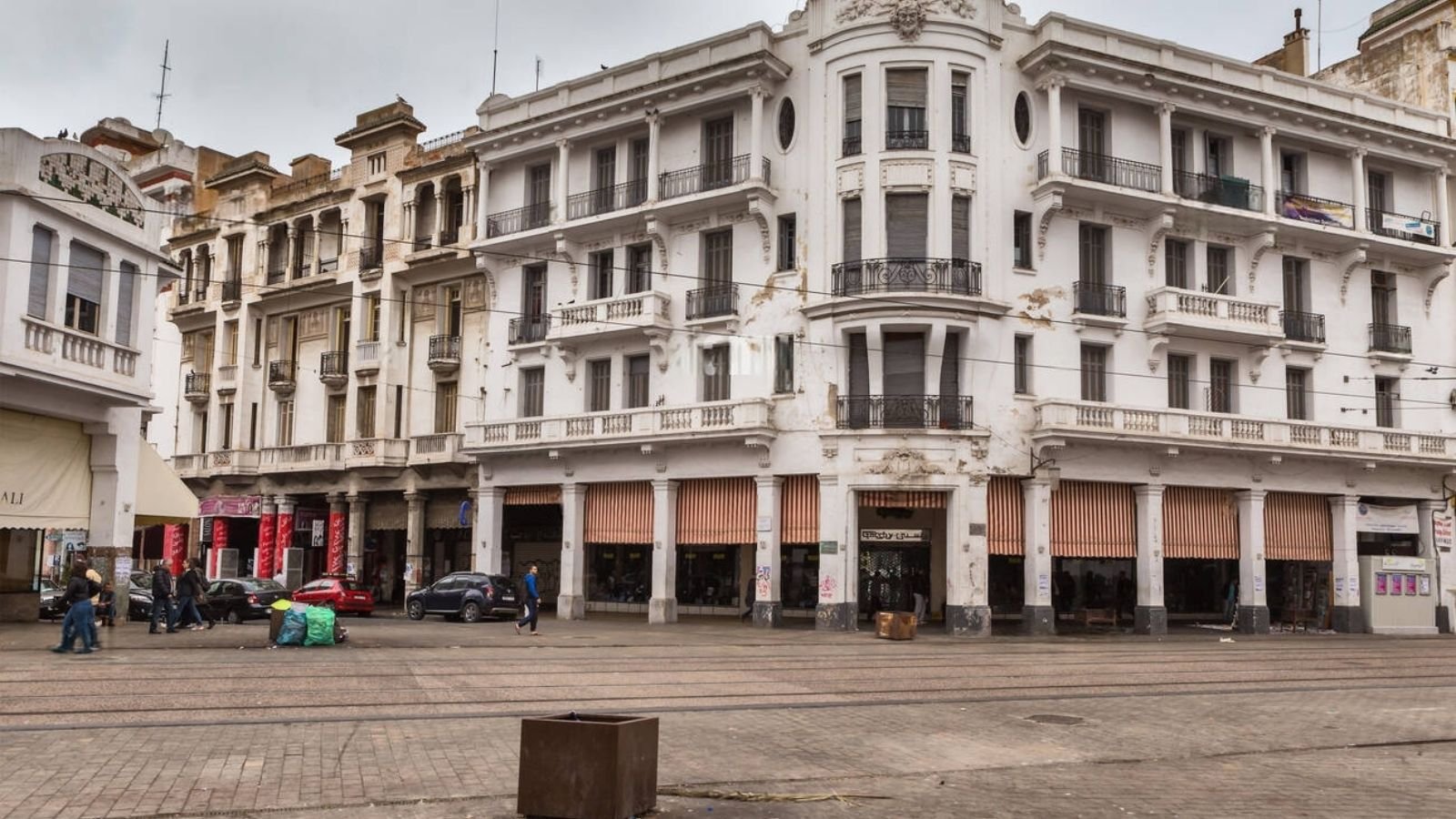
Morocco’s architectural landscape is a fascinating blend of influences, shaped by centuries of diverse cultures. While the country is widely known for its traditional Moroccan and Islamic designs, its colonial-era architecture tells a unique story of European impact. From grand boulevards to elegant facades, here’s how to explore Morocco’s colonial-era architecture and uncover its historical charm. 1. Strolling Through Casablanca’s Art Deco District Casablanca, Morocco’s economic hub, is the best place to witness colonial-era architecture. The city’s downtown area features stunning Art Deco and Neo-Moorish buildings, influenced by French urban design. Take a leisurely walk along Boulevard Mohammed V, where you’ll find historic theaters, hotels, and government buildings adorned with intricate details that blend European and Moroccan styles. 2. Admiring the Grandeur of Casablanca’s Central Post Office Located in the heart of Casablanca, the Central Post Office is an architectural gem that reflects the French colonial presence in Morocco. Its grand arches, zellige tilework, and elegant symmetry make it a must-visit landmark. Step inside to see the beautifully decorated interiors that showcase the fusion of European and Moroccan artistry. 3. Exploring Rabat’s Colonial Charm Rabat, the capital city, is home to well-preserved colonial-era neighborhoods. The Ville Nouvelle (New Town) area, built during the French protectorate, features wide avenues, European-style cafés, and administrative buildings with neoclassical influences. Don’t miss the grand Rabat Cathedral, a striking example of early 20th-century European religious architecture in Morocco. 4. Discovering Tangier’s Spanish and French Influences Tangier’s past as an international city has left behind an eclectic mix of colonial-era structures. The Spanish and French quarters boast whitewashed buildings, ornate balconies, and grand mansions that overlook the sea. Strolling through the historic Café de Paris and the surrounding avenues offers a glimpse into Tangier’s cosmopolitan past. 5. Visiting the Historic Train Stations Morocco’s railway stations are architectural masterpieces that blend colonial and local influences. The train stations in Casablanca, Rabat, and Marrakech feature elegant facades, grand archways, and decorative motifs that reflect both European and Moroccan styles. These stations serve as a reminder of Morocco’s modernization during the early 20th century. 6. Wandering Through Fez’s Colonial-Era Villas While Fez is best known for its ancient medina, the city’s Ville Nouvelle area showcases elegant colonial-era villas. These homes, built during the early 1900s, exhibit French and Spanish architectural influences, with spacious courtyards, arched windows, and decorative ironwork. 7. Enjoying the Historic Cinemas of Morocco Many of Morocco’s colonial-era cinemas still stand today, offering a glimpse into the country’s cinematic history. The Cinéma Rif in Tangier and Cinéma Rialto in Casablanca are two famous examples, known for their Art Deco design and cultural significance. A Journey Through Time Exploring Morocco’s colonial-era architecture offers a deeper understanding of the country’s historical evolution. These structures tell the story of Morocco’s transformation while preserving the artistic and cultural influences of different eras. For travelers looking to book accommodations, rent vehicles, or shop for unique Moroccan finds, plenty of options are available to enhance your experience. – Click here – to explore guided tours. #MoroccoTravel #ColonialArchitecture #HistoricalSites #CasablancaArtDeco #RabatHeritage #TangierArchitecture #TravelGuide
Top Islamic Heritage Sites in Morocco
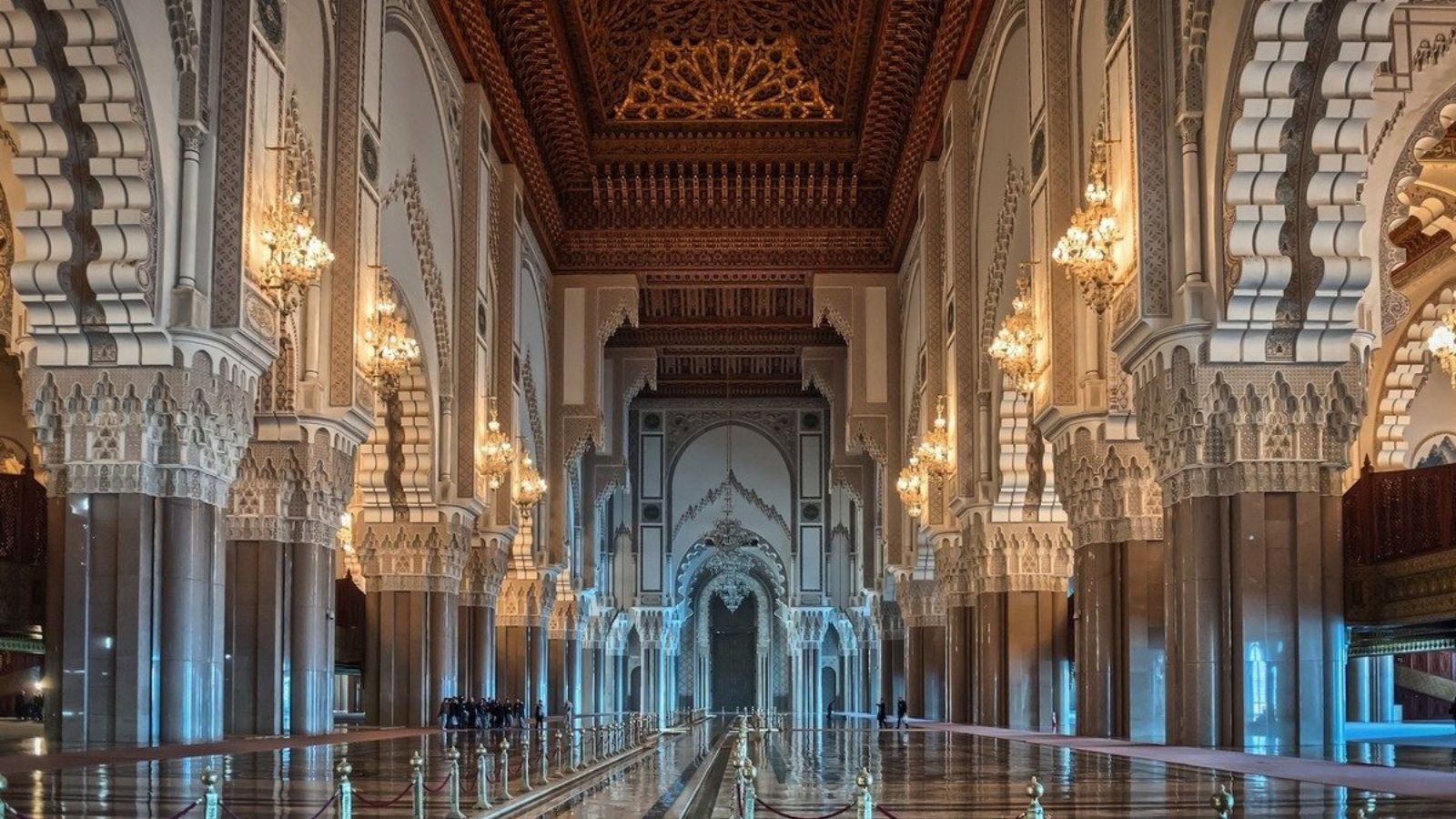
Morocco is a land of rich history and culture, home to some of the most stunning Islamic heritage sites in the world. From majestic mosques to ancient madrasas, these landmarks reflect the deep-rooted traditions and architectural brilliance of Islamic civilization. Here are some must-visit Islamic heritage sites in Morocco that showcase the country’s spiritual and artistic legacy. 1. Hassan II Mosque, Casablanca One of the most iconic landmarks, the Hassan II Mosque stands as a masterpiece of Moroccan craftsmanship. Located along the coast, it boasts intricate tilework, soaring minarets, and a glass floor that reveals the waters below. This mosque is open to visitors and offers guided tours to admire its breathtaking interior. 2. Koutoubia Mosque, Marrakech The Koutoubia Mosque is an architectural gem and the largest mosque in Marrakech. Its impressive minaret, standing at 77 meters, serves as a symbol of the city. Built in the 12th century, the mosque’s design has influenced many structures across North Africa. Though non-Muslims cannot enter, its stunning exterior and surrounding gardens make it a must-see attraction. 3. Al Quaraouiyine Mosque and University, Fez Founded in 859 AD, Al Quaraouiyine is recognized as the world’s oldest continuously operating university. It has played a crucial role in spreading Islamic knowledge and remains an important center of learning. The mosque features elegant Andalusian-style architecture, with beautifully adorned arches and intricate calligraphy. 4. Ben Youssef Madrasa, Marrakech Once a prominent Islamic school, the Ben Youssef Madrasa is an architectural wonder with its detailed cedarwood carvings and colorful zellige tilework. Visitors can explore the student dormitories and admire the peaceful courtyard that reflects Morocco’s artistic excellence. 5. Zaouia of Moulay Idriss II, Fez A significant spiritual site, this shrine is dedicated to Moulay Idriss II, the founder of Fez. The zaouia is a pilgrimage site for many, with its serene atmosphere and intricate woodwork making it an important religious and cultural landmark. 6. Saadian Tombs, Marrakech These beautifully preserved tombs date back to the 16th century and house the remains of Saadian rulers. The Chamber of Twelve Pillars, with its finely decorated ceilings and marble tombs, offers a glimpse into Morocco’s royal past. 7. Bou Inania Madrasa, Fez A fine example of Marinid architecture, the Bou Inania Madrasa was both a religious school and a place of worship. Its green-tiled minaret, stunning courtyard, and carved wooden details make it a highlight for history lovers. 8. Great Mosque of Taza This lesser-known yet remarkable mosque features a stunning mihrab and is one of Morocco’s earliest mosques. It stands as a testament to the country’s early Islamic influence and traditional architectural style. Morocco’s Islamic heritage sites not only reflect the country’s spiritual history but also showcase its dedication to preserving its cultural identity. Whether you’re exploring ancient mosques or admiring historic madrasas, each location tells a unique story of Morocco’s past. For travelers looking to book accommodations, rent vehicles, or shop for authentic Moroccan crafts, plenty of local options are available to enhance your experience. – Click here – to explore more. #IslamicHeritage #MoroccoTravel #HistoricalSites #MoroccanCulture #MosquesOfMorocco #TravelGuide #ArchitectureLovers

Where to Eat the Best Tagine in Morocco
Morocco’s cuisine is a feast for the senses, and no dish represents its rich flavors better than tagine. This slow-cooked delicacy, prepared in an earthenware pot, blends tender meat, aromatic spices, and fresh vegetables for a mouthwatering experience. Whether you prefer a traditional lamb tagine with prunes or a fragrant chicken tagine with preserved lemons, Morocco offers countless places to indulge in this culinary masterpiece. Marrakech – A Haven for Authentic Tagine Marrakech is home to some of the finest tagine spots, where skilled chefs have perfected the art of slow cooking. Nomad – Located in the heart of the medina, Nomad offers a modern twist on classic Moroccan dishes, including an unforgettable beef tagine. Café des Épices – Overlooking the vibrant spice market, this cozy café serves an exquisite lamb and prune tagine. Dar Moha – Set in a stunning riad, this restaurant offers a refined take on traditional tagine with innovative flavors. Fes – The Culinary Capital of Morocco Fes, known for its deep-rooted culinary traditions, is the perfect place to experience an authentic tagine. Restaurant Dar Hatim – A family-run gem, famous for its homemade chicken and lemon tagine. The Ruined Garden – Set in a lush courtyard, this hidden spot offers an incredible lamb tagine cooked to perfection. Casablanca – A Taste of Morocco by the Coast Casablanca’s diverse food scene brings a contemporary touch to Moroccan cuisine. La Sqala – A charming restaurant within an old fortress, serving a must-try seafood tagine. Rick’s Café – Inspired by the classic film, this elegant restaurant serves a delicious slow-cooked beef tagine. Chefchaouen – A Scenic Culinary Delight In the picturesque blue city of Chefchaouen, you can enjoy tagine with stunning mountain views. Restaurant Beldi Bab Ssour – A local favorite known for its perfectly spiced vegetable and chicken tagine. Savor the Best Tagine in Morocco From the bustling streets of Marrakech to the tranquil alleys of Chefchaouen, Morocco is filled with incredible places to enjoy this iconic dish. Ready to explore Morocco’s food scene? Click here to plan your culinary adventure today! For a hassle-free trip, book accommodations, dining experiences, and transportation in advance. #MoroccanFood #Tagine #FoodieTravel #TasteMorocco #AuthenticEats #MarrakechFood #TravelForFood
Best Time to Visit Morocco’s Beaches for Swimming
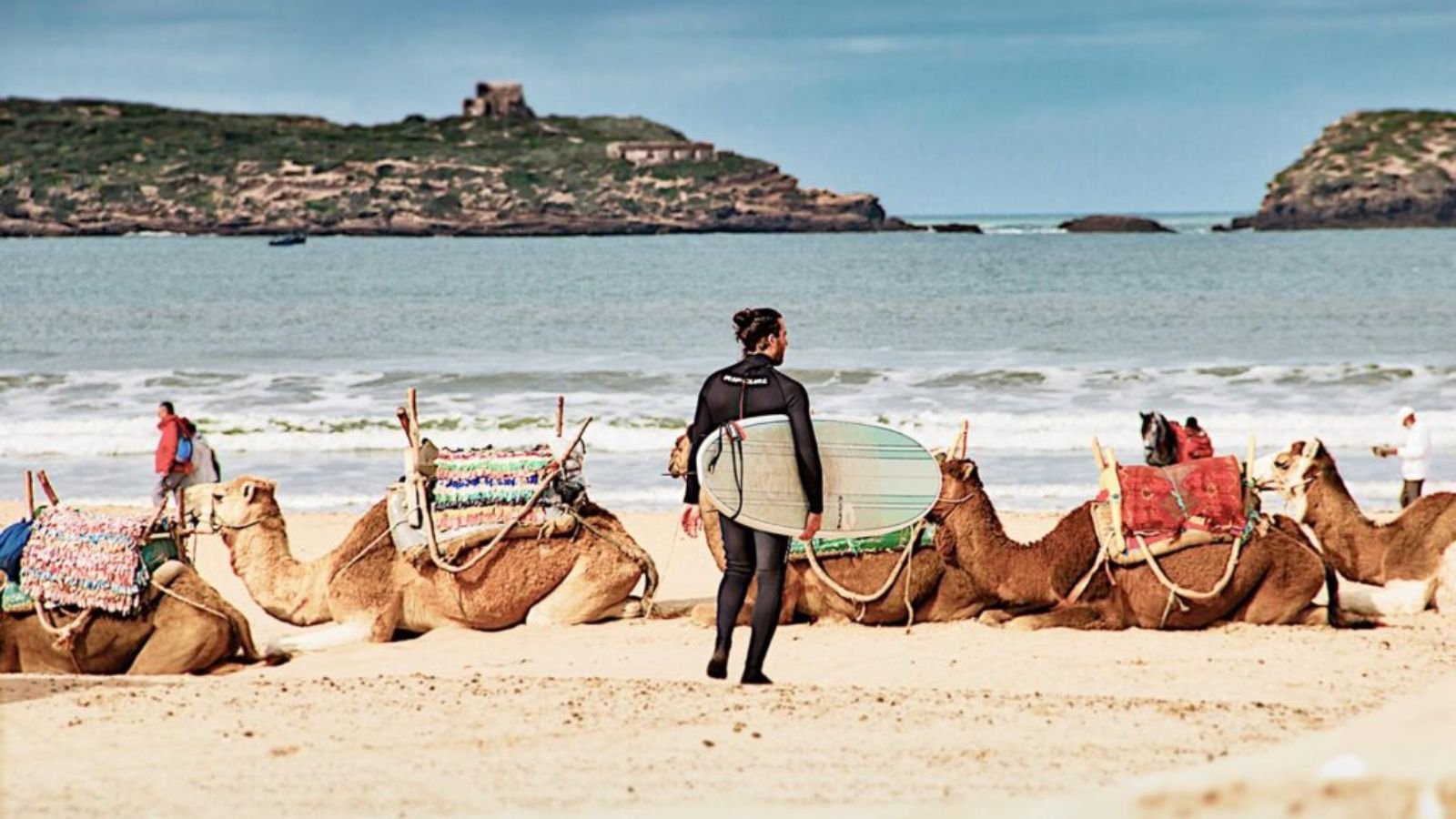
Best Time to Visit Morocco’s Beaches for Swimming boasts a stunning coastline stretching along the Atlantic Ocean and the Mediterranean Sea, offering a variety of beautiful beaches perfect for swimming. Whether you seek lively coastal towns or secluded bays, knowing the best time to visit ensures a pleasant beach experience with ideal weather conditions. Ideal Seasons for Morocco’s Beaches for Swimming Spring (March – May) Spring is one of the best times to enjoy Morocco’s beaches. The temperatures are warm but not too hot, making it perfect for swimming and sunbathing. Coastal cities like Agadir and Essaouira have pleasant weather, with fewer crowds compared to the peak summer season. Summer (June – August) For those who love warm waters and a vibrant atmosphere, summer is ideal. Popular beach destinations like Tangier, Asilah, and Legzira Beach come alive with visitors enjoying the golden sands and refreshing waves. The Mediterranean coast, particularly around Al Hoceima, offers some of the calmest and clearest waters for swimming. Autumn (September – November) Autumn is another fantastic time to visit Morocco’s beaches. The summer crowds start to fade, but the sea remains warm. Beaches in Taghazout and Mirleft provide a peaceful escape with mild temperatures and scenic coastal views. Winter (December – February) While winter may not be the peak season for beachgoers, southern coastal areas like Agadir still enjoy mild temperatures. Though the water may be cooler, sunny days make beach walks and coastal relaxation enjoyable. Top Moroccan Beaches for Swimming Agadir Beach – Famous for its golden sand and gentle waves, perfect for family-friendly swimming. Legzira Beach – Known for its dramatic rock formations and tranquil waters. Al Hoceima Beach – A Mediterranean paradise with crystal-clear waters ideal for swimming. Essaouira Beach – Great for a mix of swimming and water sports, with a lively seafront. Dakhla Beach – Offers calm lagoons perfect for relaxing and enjoying nature. For a hassle-free vacation, plan your trip with easy booking options for stays, rentals, and more. Click here to explore travel options and make the most of your Moroccan beach getaway! #MoroccoBeaches #BeachLovers #TravelMorocco #SwimmingParadise #MoroccoVacations #CoastalEscape #BeachVibes

Where to Go Sandboarding in the Moroccan Desert
Sandboarding in the Moroccan Desert offers an exciting blend of adventure and culture, and for thrill-seekers, sandboarding is an unforgettable experience. Gliding down golden dunes on a board is a must-try activity for those who love action-packed travel. If you’re wondering where to go sandboarding in the Moroccan desert, here are some of the best locations. Erg Chegaga – A Remote Adventure For those seeking vast, untouched dunes, Erg Chegaga is a top destination. Located in the southern part of Morocco, it boasts some of the largest dunes in the country. The fine golden sand makes it ideal for sandboarding, and the remote setting adds to the adventure. Erg Chigaga – Endless Dunes for Thrill-Seekers Another fantastic location is Erg Chigaga, known for its sweeping sand dunes that stretch as far as the eye can see. This area provides an exhilarating ride down soft, powdery slopes, making it a paradise for sandboarding enthusiasts. Merzouga Dunes – A Popular Choice If you’re looking for a sandboarding spot with easy access, the dunes of Merzouga are a great choice. Towering over 150 meters, they provide plenty of slopes for both beginners and experienced riders. The scenic beauty surrounding these dunes makes the experience even more memorable. Tips for an Unforgettable Sandboarding Experience Choose the right time: Early mornings and late afternoons offer the best conditions. Wear comfortable clothing: Lightweight fabrics help with the desert heat. Stay hydrated: Always carry water, as the dry climate can be intense. Book a guided tour: Many local guides offer sandboarding experiences along with camel rides and desert camps. For a hassle-free adventure, plan your trip with expert guides who offer tours, rentals, and accommodations. Click here to book your sandboarding experience now! #Sandboarding #MoroccoAdventure #DesertFun #TravelMorocco #ExploreDunes #AdventureSports #MoroccanDesert
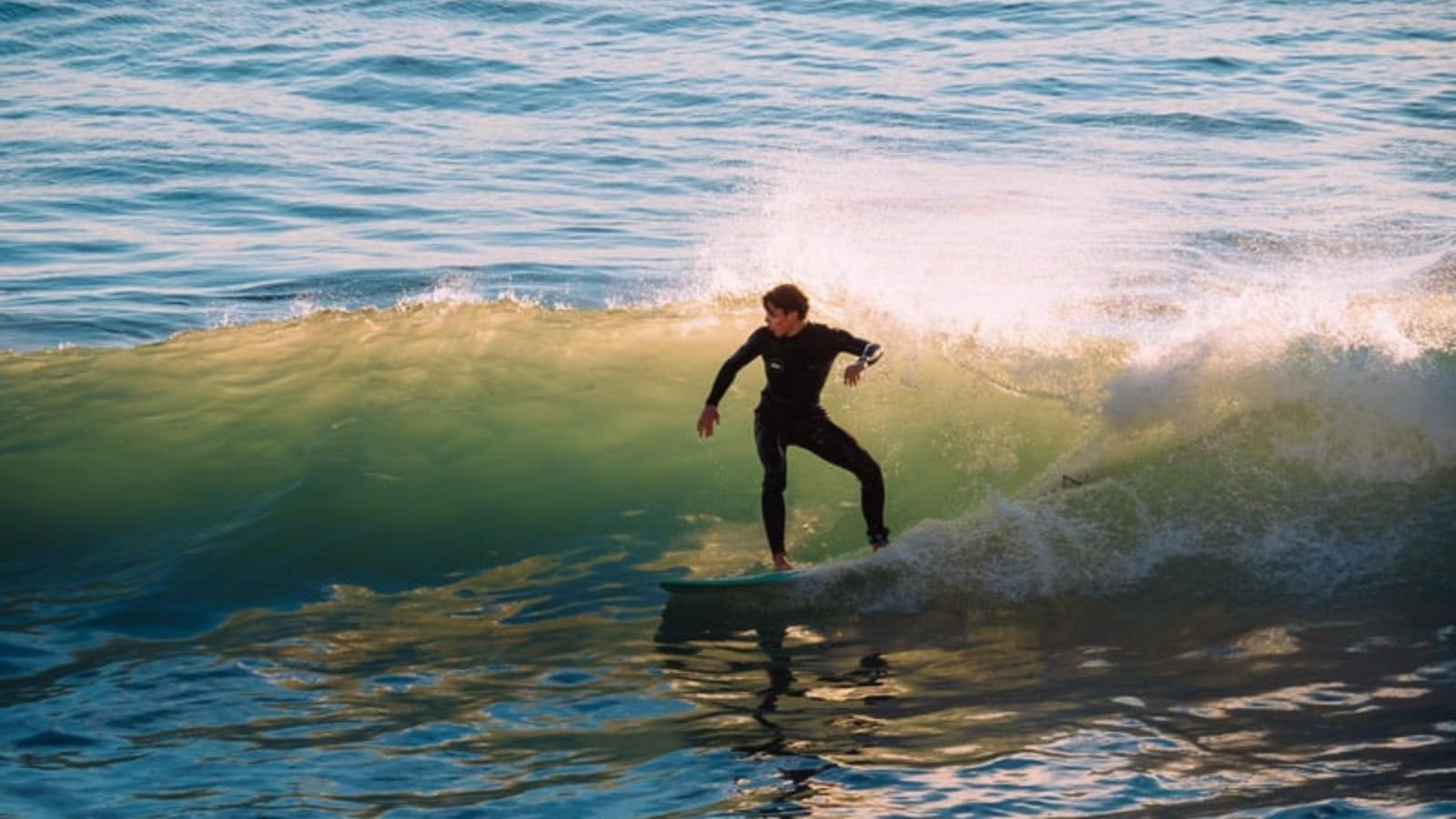
Surfing in Morocco: A Wave Rider’s Paradise
Morocco’s stunning coastline, stretching along the Atlantic Ocean, has become a hotspot for surfers of all levels. With consistent waves, warm waters, and breathtaking scenery, it’s no wonder that surfing in Morocco is gaining global recognition. Whether you’re a seasoned pro or a beginner eager to ride your first wave, Morocco offers a diverse range of surf spots suited for every skill level. Best Surfing Spots in Morocco Taghazout – The Surfer’s Haven Taghazout, a small fishing village turned surf mecca, is famous for its world-class waves and relaxed atmosphere. Anchor Point, the most iconic break, delivers long, powerful right-hand waves that attract surfers from around the globe. For beginners, spots like Panorama and Crocro Beach offer gentle waves perfect for learning. Tamraght – A Quiet Alternative Just south of Taghazout, Tamraght provides a more peaceful surf experience. It has a selection of beginner-friendly beaches such as Banana Point and Devil’s Rock, where waves break softly, making it ideal for practicing techniques before progressing to bigger swells. Imsouane – Home to the Longest Waves If you dream of riding a wave for over two minutes, Imsouane is the place to be. The Bay, known for its long, rolling waves, allows surfers to glide effortlessly across the water. The calm setting and breathtaking landscape make it a favorite for both surfers and photographers. Sidi Kaouki – Off-the-Beaten-Path Adventure For those seeking uncrowded beaches and raw nature, Sidi Kaouki is a fantastic choice. This laid-back surf town offers consistent waves and a relaxed vibe, perfect for travelers looking to escape the busier surf hubs. When to Surf in Morocco? The best time for surfing in Morocco depends on your experience level. For beginners, the summer months (May to September) provide smaller, manageable waves. For experienced surfers, winter (October to April) brings bigger swells, with powerful waves reaching up to 4 meters in height, making it ideal for thrill-seekers. Why Surf in Morocco? Perfect waves year-round with varied conditions suitable for all levels. Affordable surf camps and accommodations, making it a budget-friendly destination. A rich cultural experience, combining adventure with Morocco’s vibrant traditions and delicious cuisine. Stunning coastal landscapes that enhance the overall surfing experience. Plan Your Surf Trip with Ease If you’re ready to ride Morocco’s waves, book your surf lessons, accommodations, and travel essentials effortlessly. Click here to plan your surfing adventure today! #SurfMorocco #MoroccoTravel #SurfLife #BeachVibes #WaveRiding #TravelAdventure #MoroccanBeaches
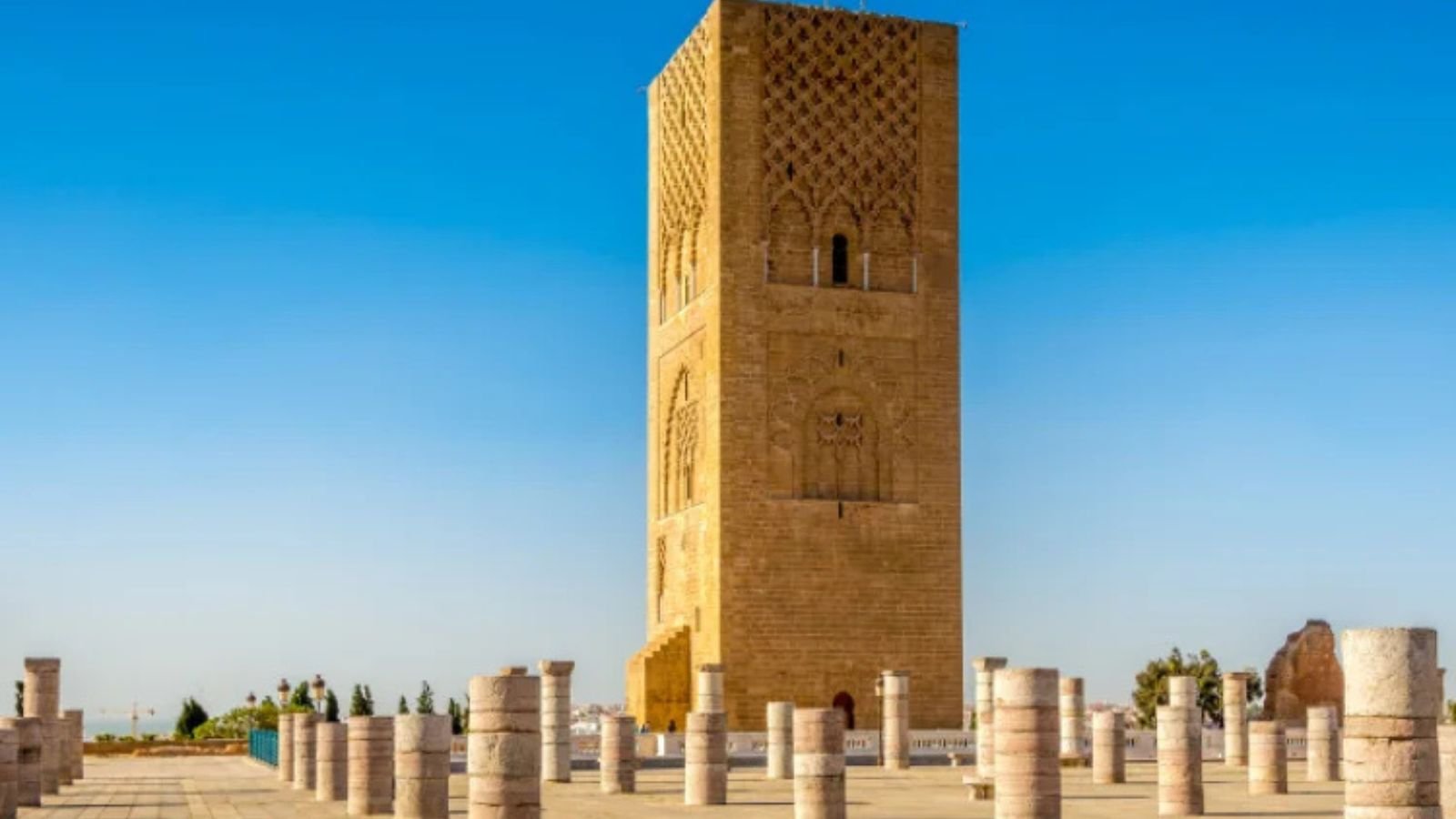
Top Historic Landmarks Every Visitor Should See in Morocco
Top Historic Landmarks Every Visitor Should See in Morocco is a country where history comes alive through its ancient landmarks and architectural wonders. From grand palaces to centuries-old mosques, each site tells a story of past civilizations, cultural influences, and royal dynasties. If you’re planning a trip, these top historic landmarks should be on your must-visit list. 1. The Majestic Koutoubia Mosque (Marrakech) One of the most iconic landmarks in Morocco, the Koutoubia Mosque dominates the skyline of Marrakech. Dating back to the 12th century, its grand minaret is an outstanding example of Moorish architecture. Though non-Muslims cannot enter, the mosque’s surroundings, including the serene gardens, offer a peaceful retreat in the heart of the city. 2. The Timeless Hassan II Mosque (Casablanca) Standing on the Atlantic coastline, the Hassan II Mosque is a masterpiece of Moroccan craftsmanship. Completed in 1993, it is one of the largest mosques in the world. Visitors can admire its intricate tilework, towering minaret, and a glass floor that offers views of the ocean below. 3. The Royal Kasbah of the Udayas (Rabat) Perched on a hill overlooking the Atlantic, this historic kasbah is a must-visit in Rabat. Its charming blue-and-white-painted alleys, Andalusian gardens, and historic gates provide a glimpse into Morocco’s past. The views from the top are breathtaking, making it a perfect spot for photography enthusiasts. 4. The Ancient Roman Ruins of Volubilis For history buffs, the ruins of Volubilis offer a fascinating journey into Morocco’s Roman past. Once a thriving city, this UNESCO-listed site features well-preserved mosaics, towering columns, and remnants of grand buildings that showcase the influence of the Roman Empire in North Africa. 5. The Grand Bahia Palace (Marrakech) Built in the 19th century, the Bahia Palace is an architectural gem that reflects the opulence of Moroccan royalty. Visitors can explore its intricately designed courtyards, vibrant mosaic floors, and carved cedarwood ceilings. The palace provides an enchanting experience of Morocco’s regal heritage. 6. The Towering Bab Mansour Gate (Meknes) As the grand entrance to the historic city of Meknes, Bab Mansour is one of the most impressive gates in Morocco. Built in the 18th century, it features intricate geometric patterns and Arabic inscriptions. It stands as a testament to the architectural brilliance of the Alaouite dynasty. 7. The Mysterious El Badi Palace (Marrakech) Once a grand royal residence, El Badi Palace now stands as a ruin, yet its remains still exude historical charm. Built in the 16th century, this palace once boasted gold and marble adornments. Today, visitors can explore its vast courtyards and underground passageways. Why Visit These Landmarks? Each of these sites offers a unique glimpse into Morocco’s rich heritage. Whether it’s exploring the grandeur of palaces, admiring the artistry of mosques, or walking through ancient ruins, these landmarks bring history to life. They are more than just tourist spots—they are windows into Morocco’s fascinating past. For a seamless journey through Morocco’s historic sites, book tours, accommodations, and travel services with ease. Click here to plan your trip today! #MoroccoTravel #HistoricLandmarks #ExploreMorocco #TravelMore #CulturalHeritage #MustVisit #MoroccoAdventures